Search
To search for an exact match, type the word or phrase you want in quotation marks.
A*DESK has been offering since 2002 contents about criticism and contemporary art. A*DESK has become consolidated thanks to all those who have believed in the project, all those who have followed us, debating, participating and collaborating. Many people have collaborated with A*DESK, and continue to do so. Their efforts, knowledge and belief in the project are what make it grow internationally. At A*DESK we have also generated work for over one hundred professionals in culture, from small collaborations with reviews and classes, to more prolonged and intense collaborations.
At A*DESK we believe in the need for free and universal access to culture and knowledge. We want to carry on being independent, remaining open to more ideas and opinions. If you believe in A*DESK, we need your backing to be able to continue. You can now participate in the project by supporting it. You can choose how much you want to contribute to the project.
You can decide how much you want to bring to the project.
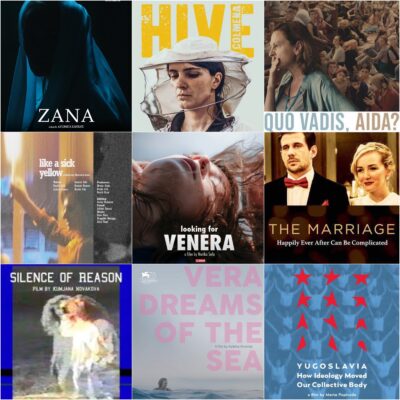
As resident editor for the month of January of 2026 at A*DESK entitled The Politics of Absence, I have chosen to focus on the emergence of women filmmakers across the Western Balkans, with particular attention to the new wave of cinema coming from Kosovo. Beyond their explicitly feminist perspective, what strikes me most about many of these films is a shared poetics of absence.
Across their practice, these filmmakers place absence—whether emotional, historical, or physical—is placed at the very center of their cinematic inquiry. It is not treated as a void, but as a generative space: one from which to question what has been silenced, erased, hidden, lost or rendered invisible. These films insist on absence as something active and unresolved, a condition that shapes subjectivity, memory, and social life.
To expand this reflection, I have invited journalists from across the region, alongside filmmakers themselves, to reflect on the power of cinema to make visible what patriarchy, history, and structures of power have persistently sought to keep unseen. What emerges is a constellation of perspectives that foreground women’s subjectivities, memories, trauma, and everyday experiences as legitimate—and urgent—political terrain.
This month’s programme unfolds through several interconnected contributions: Dafina Halili opens the issue with Shaping Stories: Kosovo’s Women-Led New Wave Cinema, tracing how a generation of filmmakers is redefining both national cinema and the conditions of visibility within it. This is followed by Between Anger and Tenderness: Two Kosovar Filmmakers in Dialogue, a conversation between Antoneta Kastrati and Kaltrina Krasniqi, where absence takes shape through bodies, grief, law, and inherited silence.
The dialogue continues with Kumjana Novakova and Norika Sefa in Between Absence and Presence: A Feminist Reimagining of Cinema from the Balkans, reflecting on the approach of cinema as a space for political questioning. Through absence, archives, and memory, their dialogue proposes new ways of narrating the past and present. Finally, Gresa Hasa’s essay Balkan Kinoscope: Bridging Past and Present Through a Reclaimed Gaze situates these practices within a broader regional history, showing how feminist filmmaking opens critical passages between past and present, memory and power.
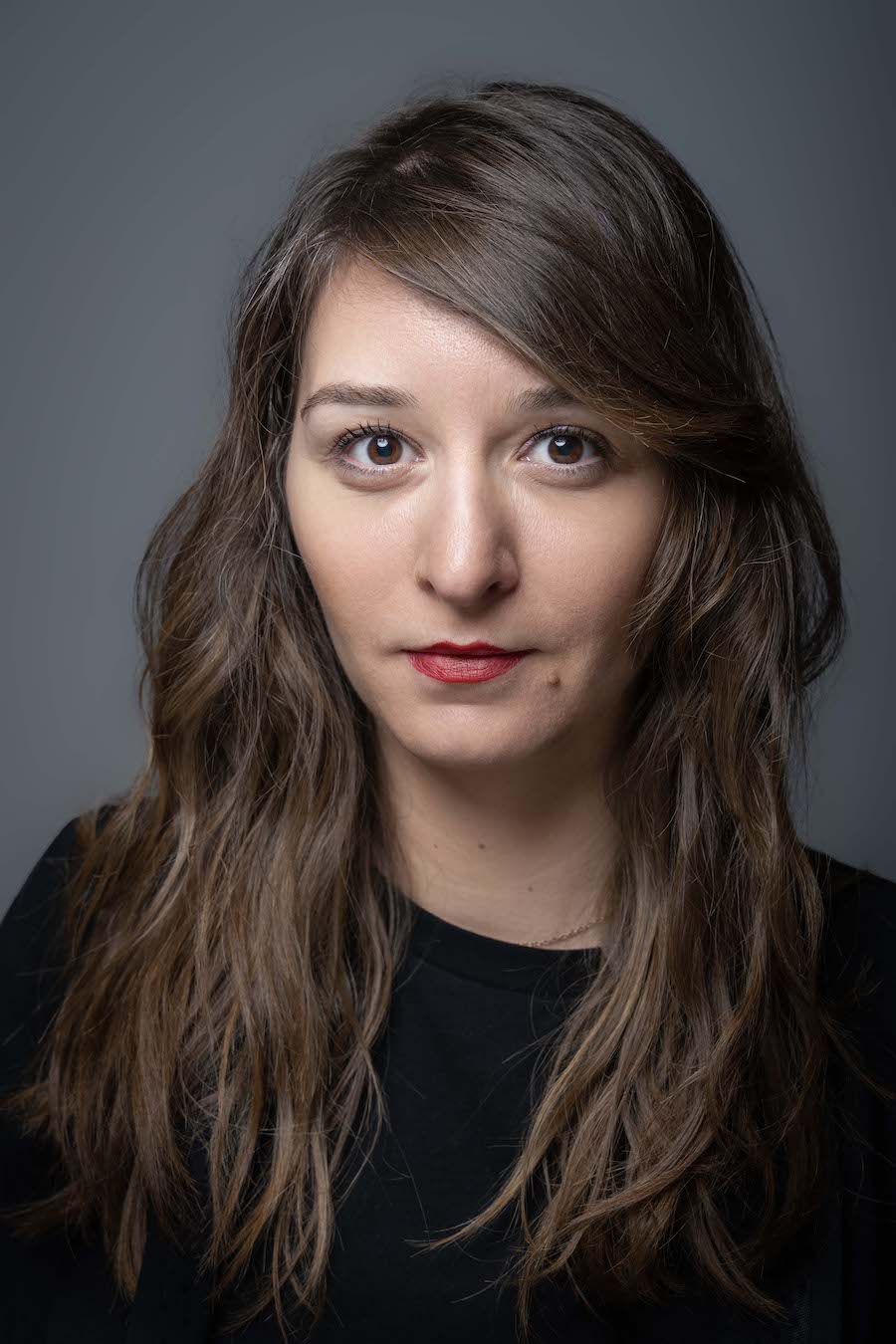
Besa Luci is a journalist, editor, and documentary film writer whose work engages with questions of memory, representation, and the political legacies of war. She is the editor-in-chief of Kosovo 2.0, an independent print and multimedia magazine dedicated to long-form journalism and visual storytelling from Kosovo and the region. Alongside her editorial and film practice, Luci is actively involved in the cultural field as a board member of several local and international initiatives. She previously taught discourse-based research methods, media, and cultural studies in the Journalism Department at the University of Prishtina.
Media Partners:





"A desk is a dangerous place from which to watch the world" (John Le Carré)