Themed route ‘Lost objects and people’, with Gloria G. Durán
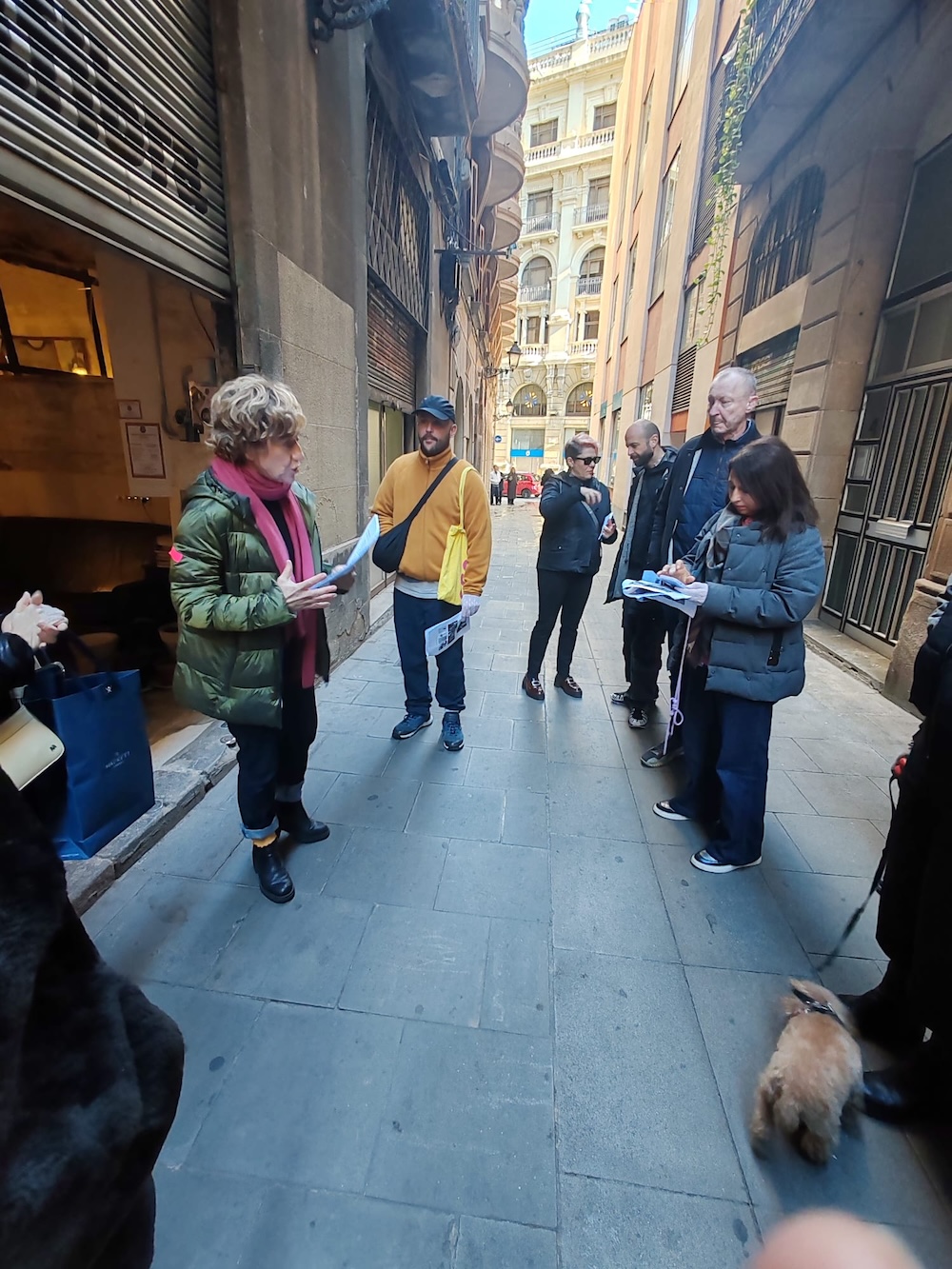
A*DESK and GRAF present themed routes that focus on critical thinking based on contents of the repository of A*DESK magazine, lead by the interpretation of a specialist (historian, artist, curator or critic) and relating it with the field. The routes, which are done in person, include both spaces belonging to the GRAF community and other types of places, both cultural and not, public and private, which also strengthens the discourse and artistic proposal, and makes the most out of this opportunity to learn about certain places that are normally closed or difficult to access.
«Lost objects and people» is a route created and lead by the researcher and artist Gloria G. Durán.
November 22, 2025. 11h
About the route: This route recovers people from variety shows in constant transformation, clairvoyant and mediums who weave in plain sight, prohibited museums and restricted areas, weird crowd management, protests, demolished urinals, eliminated cruisings…
The route proposes going to a handful of localizations and spaces of Ciutat Vella to follow the trail left by what is no longer there, of what was lost in the memories and how we can bring it back with the help of nowadays artistic practices. Perhaps we can find barely perceptible footprints of past radical actions.
A route that is put together and dissembles, appears and disappears, with the artist and researcher Gloria G. Durán.
This route goes through some of GRAF venues in the Born and it is inspired by A*DESK themes: «Bodies of evidence» and «Disobeying the possible».
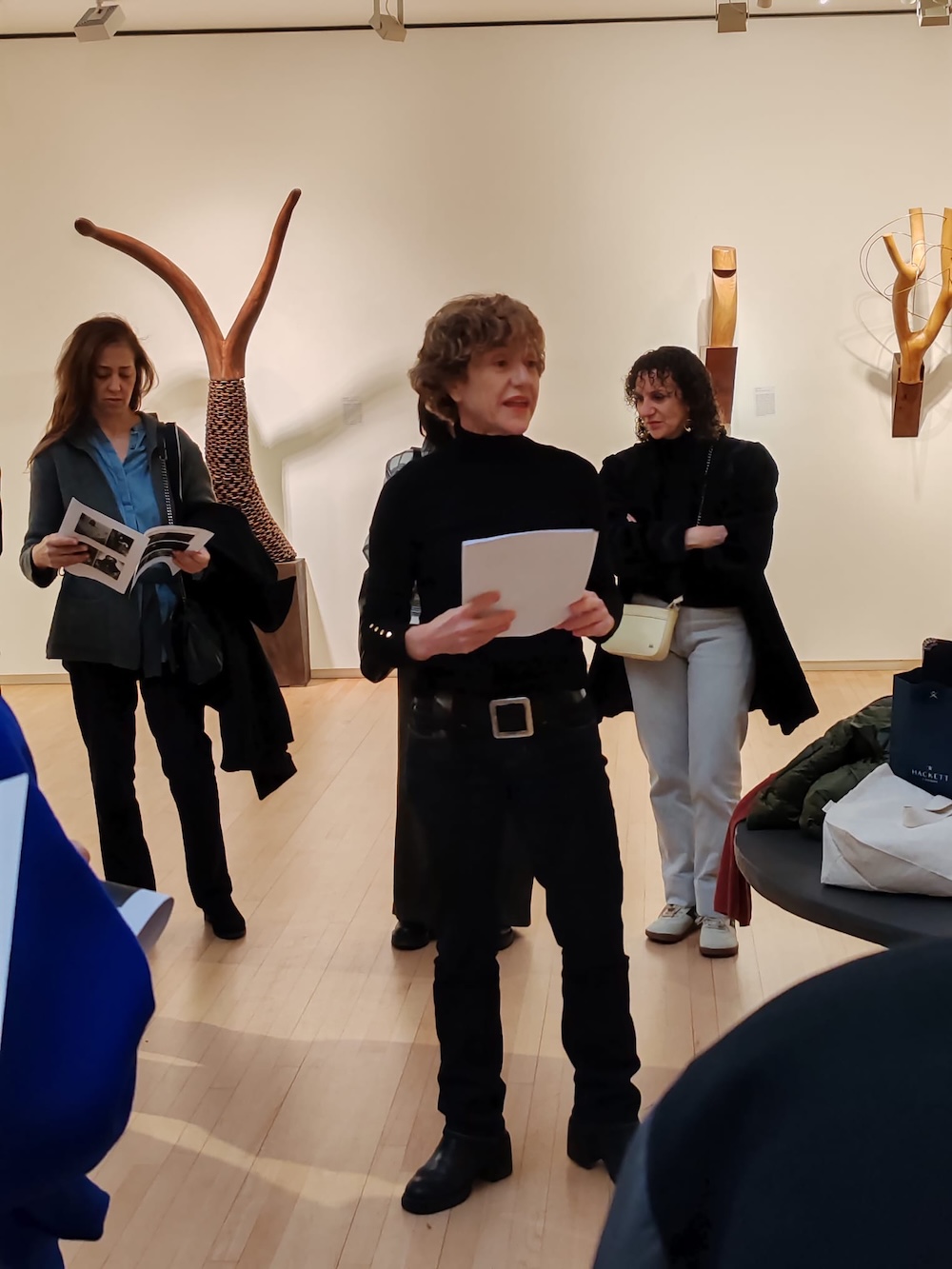
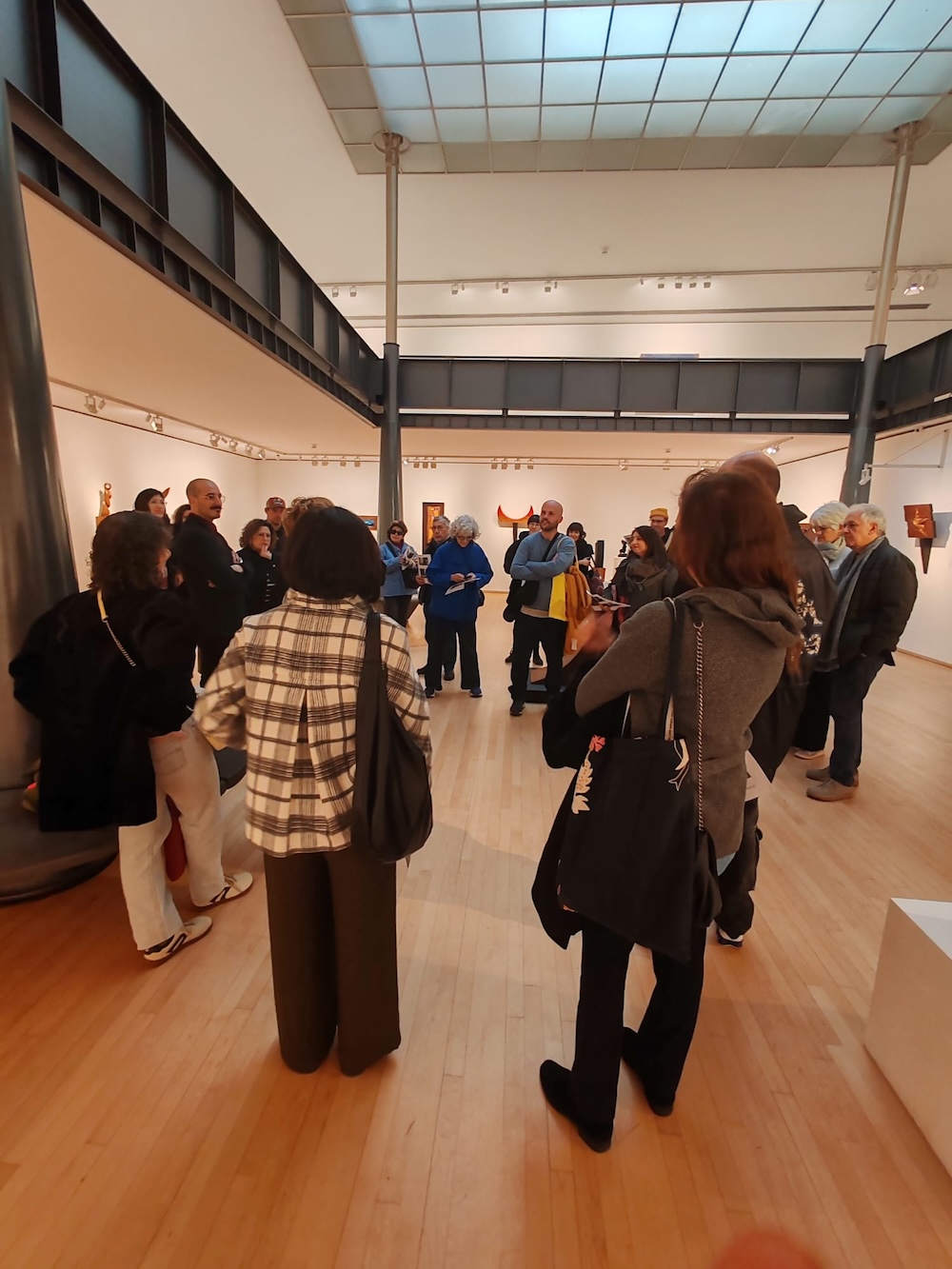
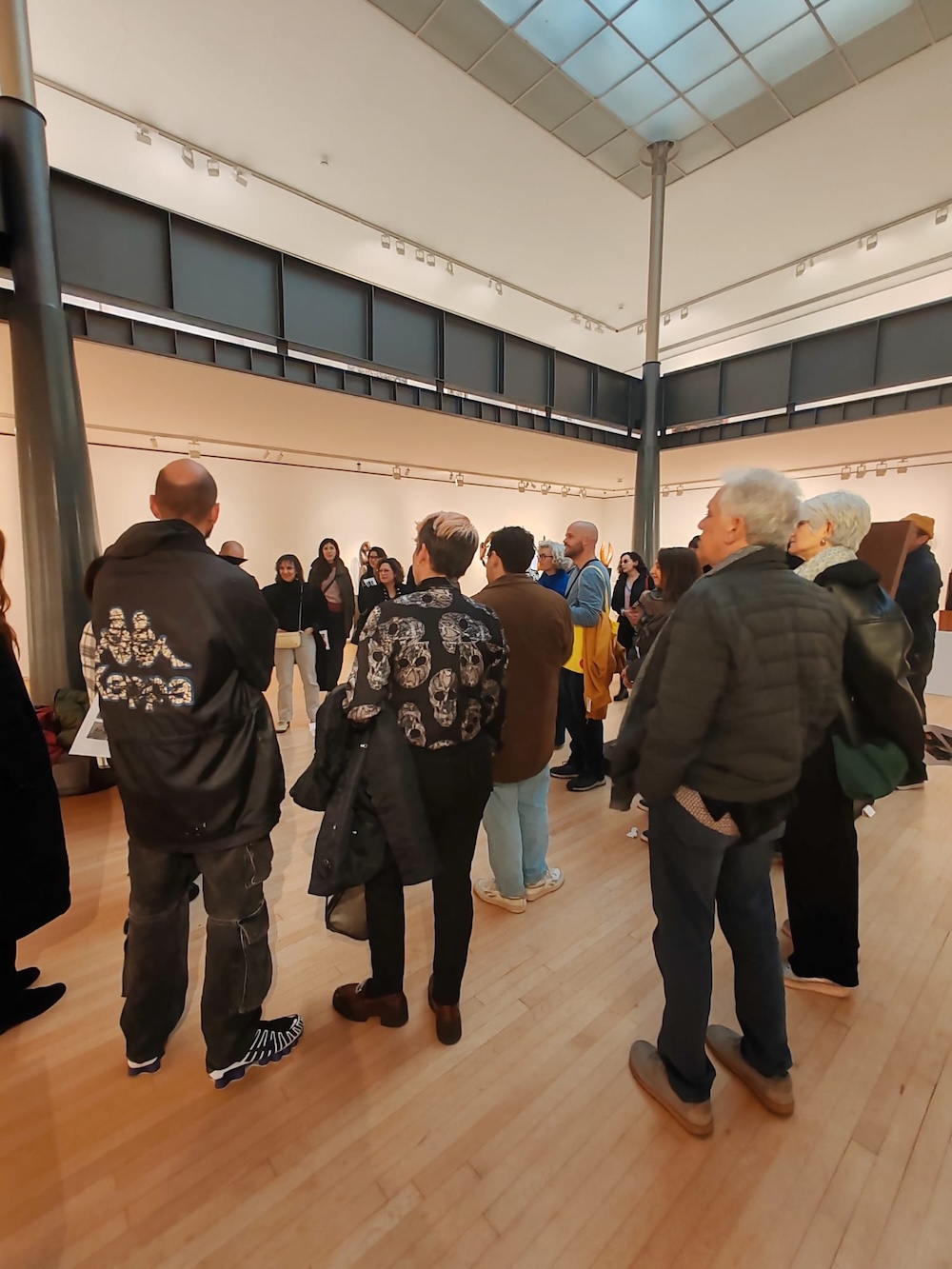
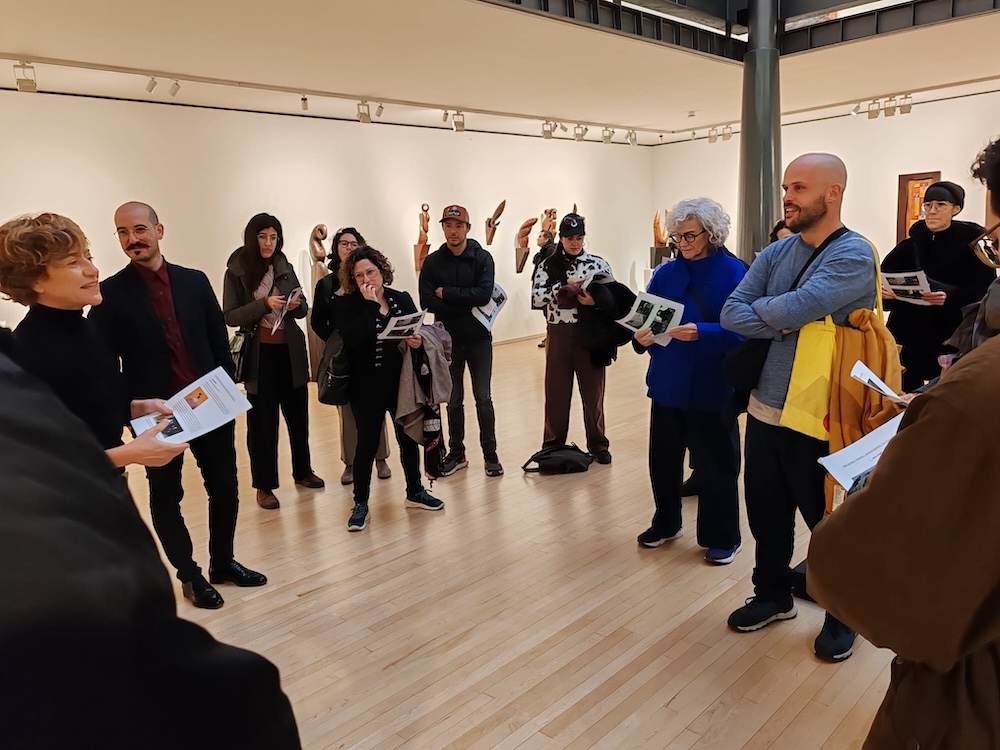


About Gloria G. Durán
Gloria G. Durán is a researcher, teacher, cultural producer and artist. Her professional career has been shaped by public matters and urbanism from a gender perspective. Among her publications we can find Baronesa Dandy, Reina Dadá, 2013; Dandys Extrafinos, 2012; Dandysmo y Contregénero, 2010; a monograph about public art in the city of Madrid: Agentes críticos. Prácticas colectivas y arte público, 2017 and Sicalipticas. El gran libro del cuplé y la sicalipsis, La Felguera 2021.
Thematic Route: Lost Objects and Subjects. With Gloria G. Durán
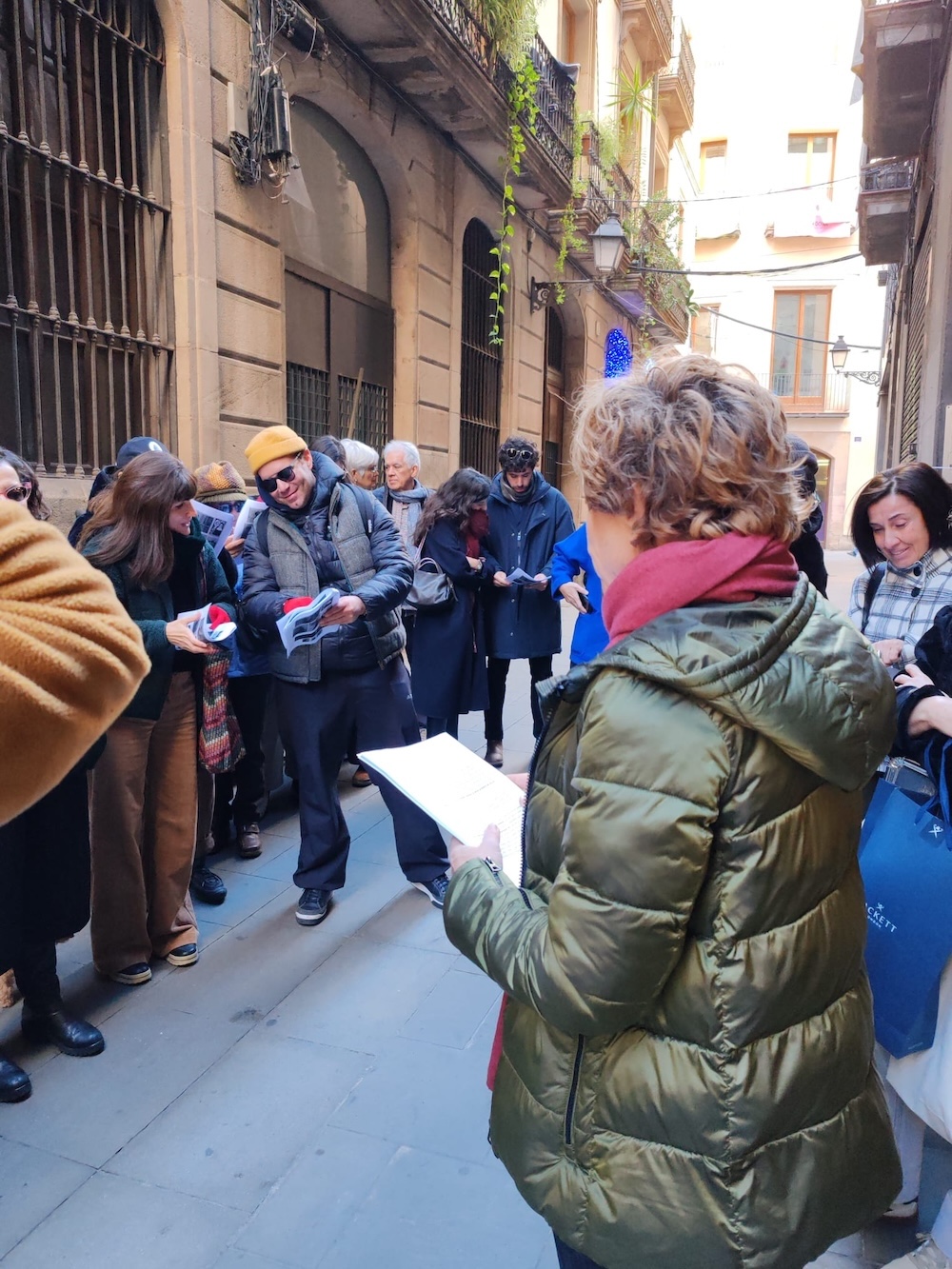
Chronicle and Guide of the Route through the Gothic Quarter and El Born carried out on 22 November 2025.
The Route, conceived by Gloria G. Durán, takes us through some of the GRAF spaces and other notable places in the Gothic Quarter and El Born, inspired by the A*Desk themes “Bodies of Evidence” and “Disobeying the Possible.”
Lost Objects and Subjects brings back people from the vaudevilles in perpetual transformation, clairvoyants and mediums who weave in full vision, forbidden museums with restricted access, strange forms of audience management, demonstrations, demolished urinals, eliminated cruising areas…
The path follows the traces of what is no longer there, of what was lost to memory, and gives us clues as to how we might recover it through current artistic practices.
1_ SALA PARÉS
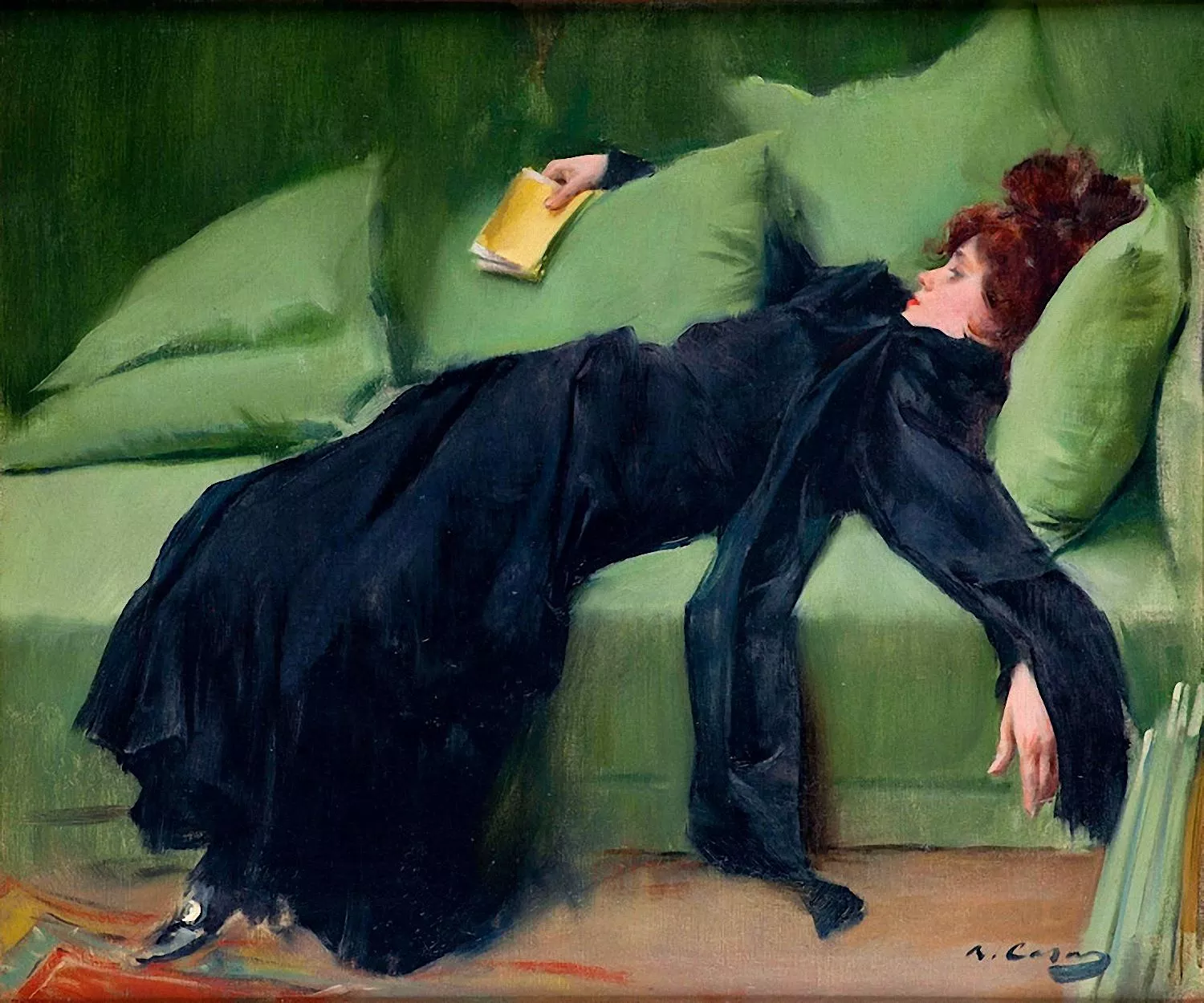
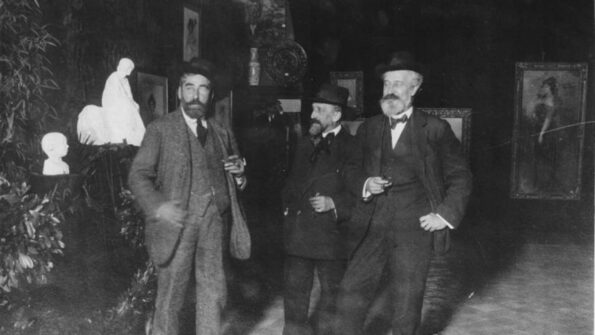
We begin at Sala Parés, the oldest art gallery in Spain. In 1840 it was a fine arts shop, and from 1877 onwards, an exhibition space. A centre of art for both Modernist painters like Santiago Rusiñol and Ramón Casas, as well as Isidre Nonell and even, as the gallery’s assistant manager Sergio Fuentes Milá told us, “young ladies”, evoked with that tone of amateurism that bearded gentlemen loved to assign to women’s work. It is curious that the founding group always seems to include beards and top hats, canes and sometimes cigars.
Among them was Ramón Casas, who painted bored bourgeois ladies and readers, as well as syphilitic prostitutes. The flower of syphilis, like the embroidered shawl in a poster advertising a sanatorium for syphilitics. Wandering through both upper and lower neighbourhoods, our Modernists showed their inclinations. As Mary Shelley’s Victor Frankenstein says in Guillermo del Toro’s script, “One night with Venus, a lifetime with Mercury.”
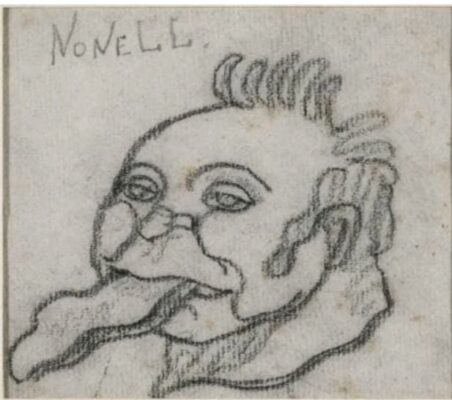
Sala Parés was also the gallery of Isidre Nonell, who loved to roam the underworld and would portray Gypsy women, street women, and popular carnivals. That exhibition was a scandal, Sergio told us. On one occasion, Nonell found here a Maja by Goya, with a washbowl as a comb and the guts of a cod as a shawl. Exquisite.
All of them crossed paths with Picasso who, by the way, did not invent Cubism. Gertrude Stein writes in The Autobiography of Alice B. Toklas that Cubism was already present in Barcelona’s shop windows, and according to Michael North, it already appeared in the schematic haircut of La Chelito. But today we are not interested in Picasso’s Cubism; we’re interested in his elegance.
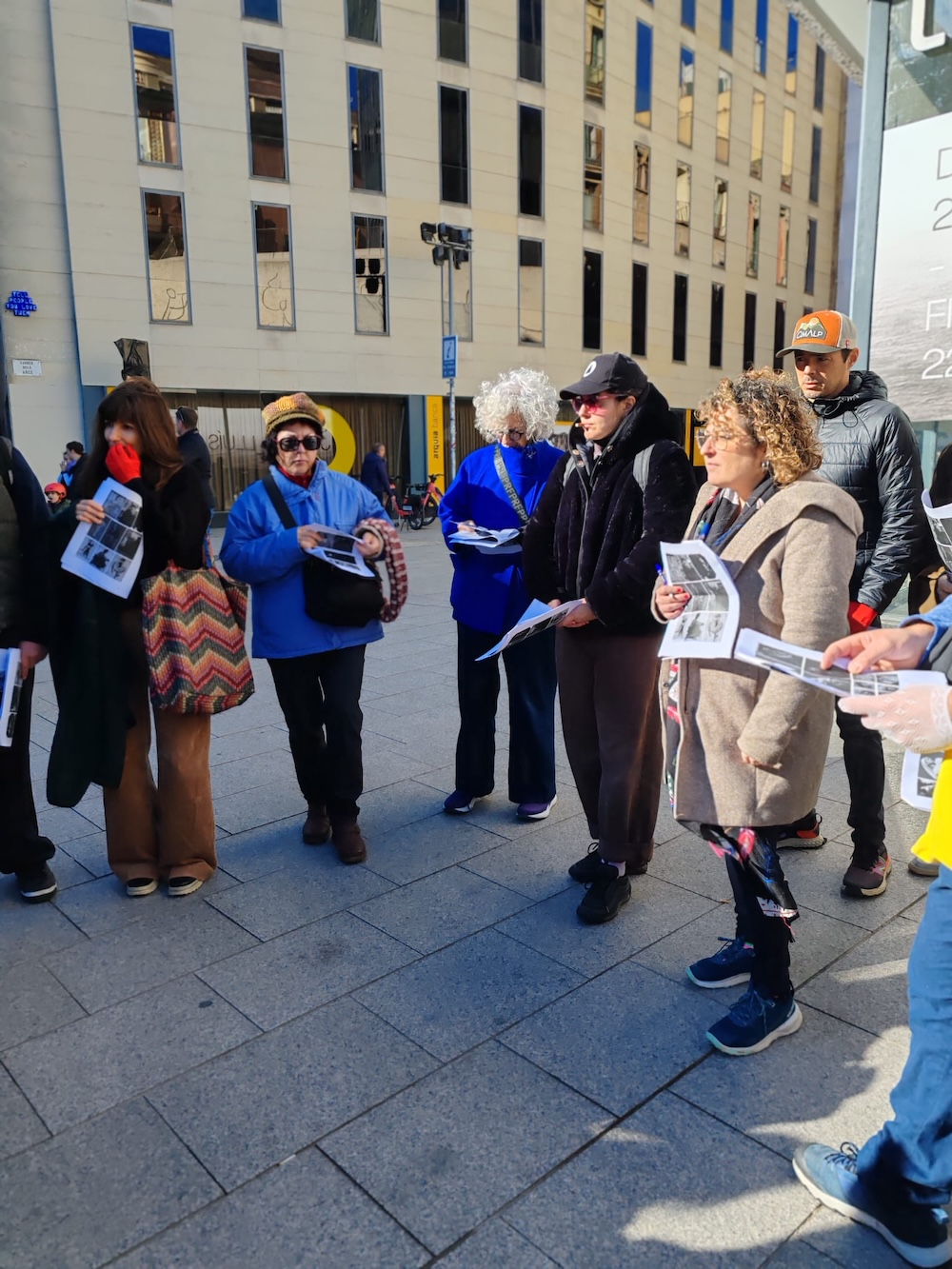
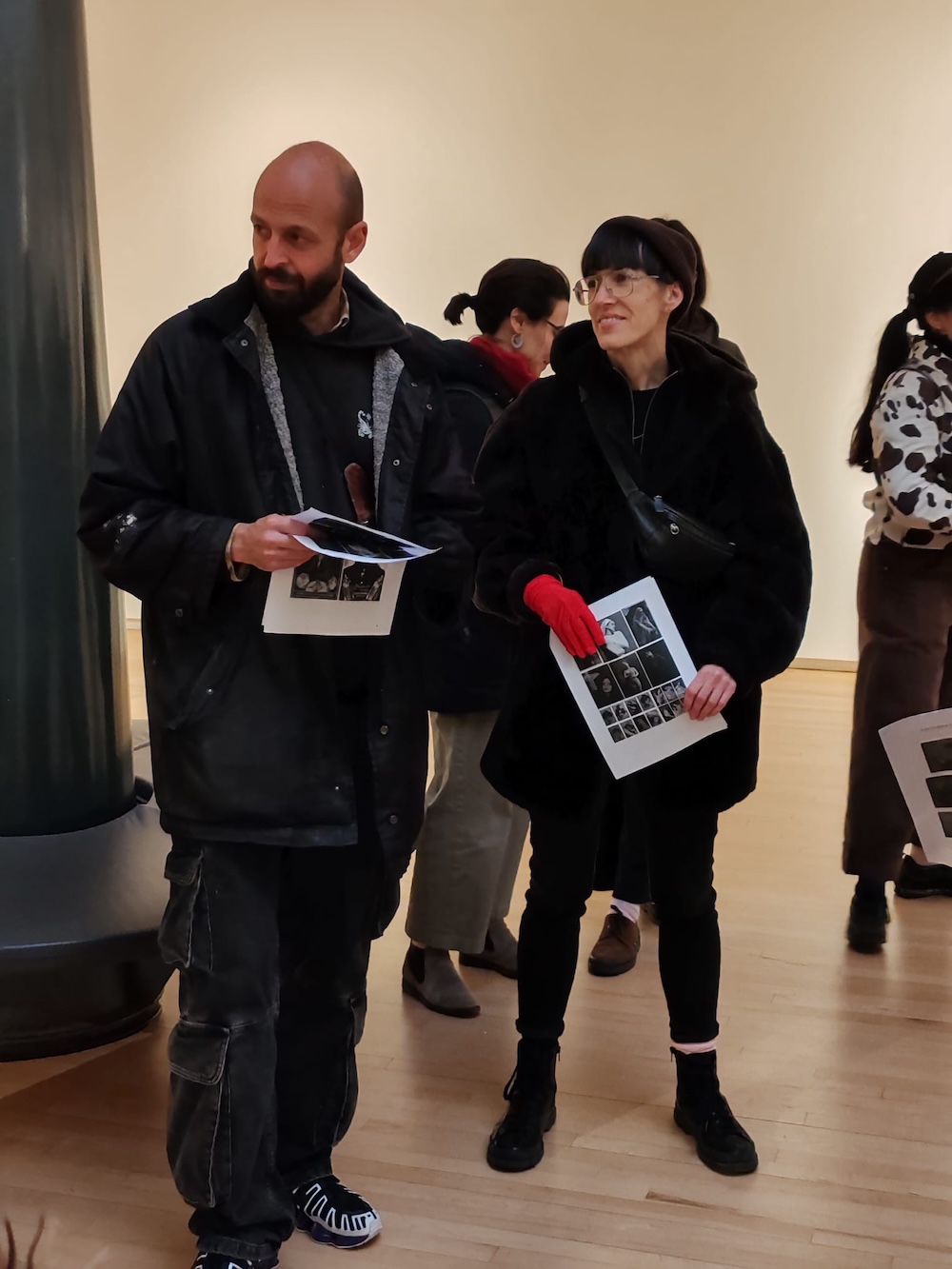
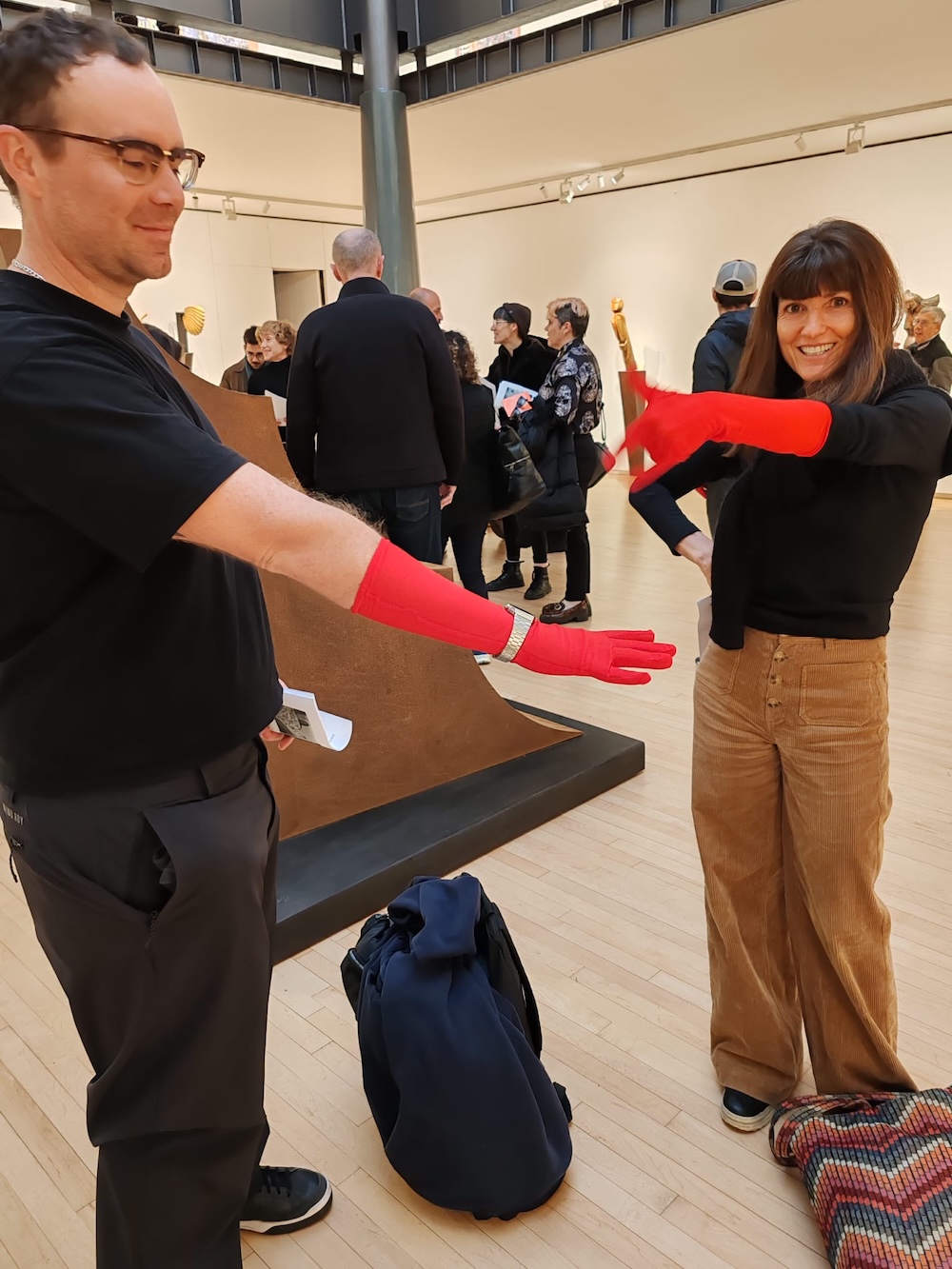
Fernande Olivier tells us that, when returning to Barcelona, Picasso had a friend, Sotto, with whom he often went out. They wished to appear elegant but only had one pair of gloves between them, so they shared them, keeping the bare hand in a pocket and gesturing passionately with the gloved one. Picasso felt handsome and elegant in his green suit and his single glove. We start to think of ourselves as artists, and, therefore, we start defining an attitude: being constantly unpredictable, distinguishing ourselves, dissenting, questioning norms and avoiding vulgarity. First nuance: gloves. We proceed to hand them out.
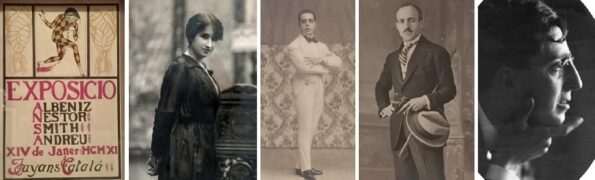
But the artists that didn’t wear beards were indeed elegant. We refer to those who would later form Els Refinats (The Sophisticated), the extravagant Barcelona dandies: Laura Albéniz, Mariano Andreu, Néstor Fernández, and Ismael Smith. These four were the enfants terribles of art, androgynous in their lives and in the materiality of their practice. They suffered from the artistic and literary iconoclastic measles typical for their age. And how did they express it? Through their gestures, their differences, their “guilty elegance”. Very, very dandies, reading gallant literature, indulging in morphine and even dressing as bullfighters or lace-veiled virgins.
Eugenio D’Ors, a dandy himself, was fascinated by all of them. Particularly by Laura, the most dandified of the band, according to Eugenio. She was the first Barcelonian to have tea at six in the afternoon and the first to be elegant and dissident at the same time. In 1911 she exhibited with the other refinats at Fayans Català. Ismael Smith was the one who loved dressing up the most. Decadent, Frenchified, touched by the glamour of Paris, its poets and neighbourhoods. Unknowingly, he anticipated the Futurists.
Smith writes:
“The automobile suggests so much to me that even the death I might find in this machine at a speed of 150 km per hour would produce in me a half-hysterical, half-neurasthenic sensation of infinite charm.”
Sounds Futurist, doesn’t it? The Futurists, contemporary to these dandified transitional artists, also cultivated elegance. And that’s why they invented Futurist elegance, which consists of wearing one sock of each colour, matching the colour of the tie. Severini and Marinetti inaugurated that fashion. So friends, don’t hesitate; adopt Futurist elegance and wear mismatched socks. Here we offer the public some socks from Comercial e Industrial Xavi S.A., Carrer Sant Pere Més Baix 24.
COAC (Plaça Nova 5)
We continue our route, and I want to pause here. I call it the Trinity: God in the cathedral, Picasso before you, a huge artist of the Arts in capital letters, and Rosalía, a “Sicalyptic Saint”, heir to those who came before her (we are speaking of a promotional billboard, now gone, for Rosalía’s latest album). Because La Bella Otero had already worn religious garments for what would become the cover of the second volume of her autobiography. Tórtola Valencia also performed many passionate poses that were both erotic and devout and that could become the cover of Georges Bataille. And the woman with a veil praying and gazing at the sky, between passion and glory, is a foundational “sicalyptic” figure from 1902, a Mujer Galante (Gallant Woman).

This veiled young woman who looks like a “marble sculpture”, appeared in the first booklet of the publication Las Mujeres Galantes (The Gallant Women), Barcelona 1902. Why is it so important? It’s because the term SICALIPSIS was defined in her, a word far less slippery than many think and far more complex than the RAE suggests. Sicalipsis, wrote Félix Limendoux, is the middle ground between artistic morality and artless boldness, without being the former at all and without boring those with jaded tastes. Sicalipsis occupies that IMPLAUSIBLE EQUILIBRIUM which was liked by both the well-integrated, refined Spaniards and those with more elaborate, sophisticated, extravagant and slightly mischievous tastes.
Limendoux invented a word, sicalipsis, that encompasses an entire cultural phenomenon present in the Spanish Silver Age and is apparently reawakening today under straitjackets and monastic veils. To understand what was happening in the streets, stages, publications, and even in Congress, the conclusion was clear: as Félix wrote, sicalipsis was our plan.
The duo Félix Limendoux and Sopelana published in this city, Barcelona, this definition on the back of the cover of the first issue of Las Mujeres Galantes. Sicalipsis was invented here, in Barcelona. This city is undoubtedly the Frontier, the necessary passage for Frenchified cosmopolitans and the crossing place of sailors and counts, presumptuous and dandified gentlemen who paint moles and dark circles on themselves. In the end, Barcelona, as the celebrated Lucenay (a fake doctor and early 20th-century bestseller) wrote, warmly welcomed these samples of worldliness, this exotic, perfumed, pompier element that soon spread across Iberia, engaging in the most diverse activities and changing many customs in our country.
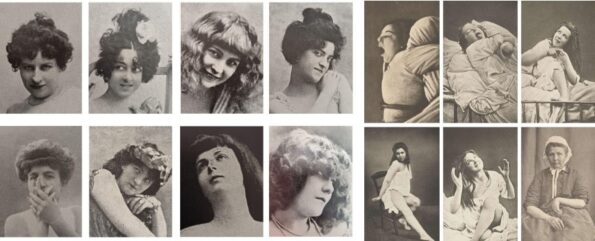
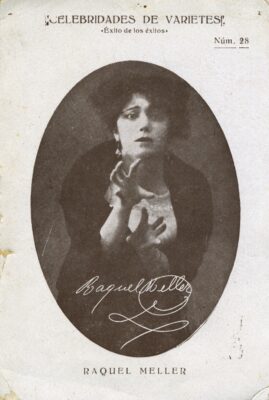
These examples of worldliness were cocottes, variety performers, singers, tiples and cupletistas. They were all “sycalyptic” heirs of those epileptic singers who triumphed in the City of Light and throughout Europe, those inspired by the iconography of the Pitié-Salpêtrière Hospital. Among the immense catalogue of possible pathologies associated with the body and its posture, we could highlight many that bore ecclesiastical influences: passionate attitudes, auditory hallucinations, crucifixion, ecstasy, pleading, love, delirium, vibrations, eroticism, thanatism, contractions, death rattles, passionate attitude and ecstasy.
As we dive into the underworld, the true spark of culture, we begin to warm up. And what is better than a carnival that commemorates, in an artistic way, the opening of the bar Els Quatre Gats, in homage to the beloved Paris and its black cats?
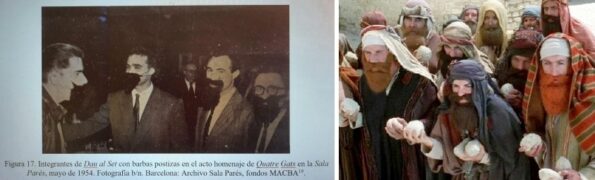
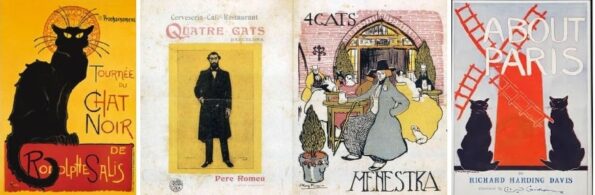
The establishment Els Quatre Gats (“the four cats”, Casas, Rameau, Rusiñol and Utrillo) opened on June 12th, 1897. During the six years it remained active, up until 1903, it became one of the reference points of Catalan Modernism. It was reopened under the same name in the 1970s. Perhaps for this reason the Dau al Set group appeared in an exhibition at Sala Parés in the 1940s wearing fake beards to celebrate their modernist friends.
But we are not interested in them; we care more about the cats because they’re important, they’re urban, they’re mottled, like us, with diffuse boundaries. Leonor Fini was here, a marvellous Argentine surrealist painter. She recounts when here, in Barcelona, she once saw a square full of sick cats. “What’s wrong with them?” she asked. “Nothing… They’re just scratching themselves”, she was told. She went to a pharmacy, bought two kilos of disinfectant and distributed it among the cats. People looked at her as if she were mad… Later Leonor Fini also tells us about Meret Oppenheim, but in order to speak about Meret, we must move to a beautiful alley housing the school Mucha Fibra, at street Copons 3–5.
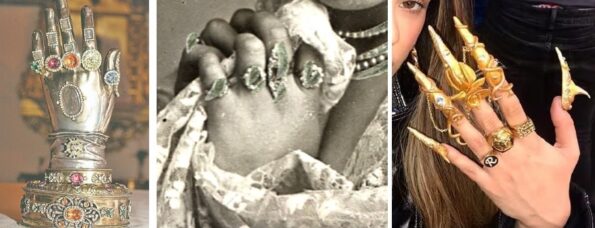
In 1935, Oppenheim visited Barcelona, where she conceived one of her most dreamlike works, Dream in Barcelona (Traum in Barcelona), and where she may have found inspiration for her 1937 sugar cube ring, Sugar Ring. That ring might as well have originated from Sonia Delaunay, the other artist who passed through here in 1917. She would be for the annals of Spanish art, Sofinka Modernuska, friend to the ultraists, the native avant-garde, portrayed by Rafael Cansinos Assens in his book El movimiento V.P. She lived her poetry by making edible art, edible jewellery, doughnut necklaces, sugar rings, candy bracelets, parsley earrings. And, of course, a touch of avant-garde distinction. Rings for all, and candy too.
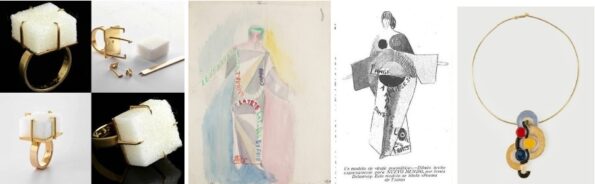
Gummy jewellery, kaleidoscopic jewellery, illuminated jewellery. We love jewels! Like the cupletists who, just like queens and saints, wear their five fingers with five shiny, jewelled and metallic rings. Tórtola Valencia even wore them on all ten toes. Santa Teresa and La Chelito and, of course, Rosalía too!
2_ ANTIC TEATRE
What is a theatre, and what is the Antic Teatre? Experimentation, research, interdisciplinarity, gender perspective, emerging creation, critique and self-critique, artistic and intellectual independence, dialogue, foundational culture, the aspiration to self-management and sustainability, heritage recovery. And so we enter Carrer Sant Pere Més Baix, between the Francesca Bonnemaison Library and the Antic Teatre. Welcome to the world of the once-invisible who are finally visible, of freakishness, grotesqueness, and, of course, inversion.
And a wholehearted support to those who present more daring aesthetic and artistic options of living arts, in the sense of being alive, of being aligned with life and with what happens every day. We recall Pierrot, who performed here. Pierrot, heir to transformists and maquietistas [1]This is how male artists who dresses as women were known in the sicalyptic era., leads us to discover them, the transvestite ladies, drag kings avant la lettre. For example, Caterina Albert (1869–1966), writer of “sicalyptic” literature under the pseudonym Víctor Català. Or the great Fátima Miris, who was Maria Frassinesi (1882–1954), and Tina Parri, alias La Fregolina.
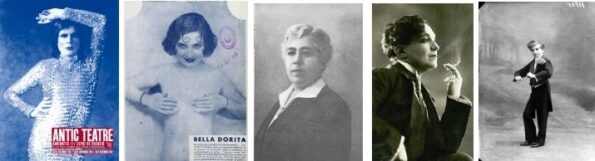
We cannot continue the route, however, without naming my true weakness: La Bella Dorita. Glorious leader of a revolt who, from an amusement park in Zaragoza, managed to establish a cupletist government one day in 1936. She was taken to the police station time and again for scandal. As a child she was told that if she let someone touch her breast, she could ride the carousel for free. “Why not the nose?” she thought. And she went on the ride, of course. She used to say that all men wanted to marry her to rescue her from “the lowlife”, something she never understood, her life had always seemed wonderful to her.
Perhaps her suitors had read a bestseller titled La Mala Vida en Barcelona (The Lowlife in Barcelona). In that book, lexical richness is used to name those of diffuse gender: “vidrios, faeries, pájaros, brécoles, jotos, sarasas, apios, cancos, floras, adelaidas and carolinas here in Barcelona.”
3_ R.A.R.O. PROJECTES
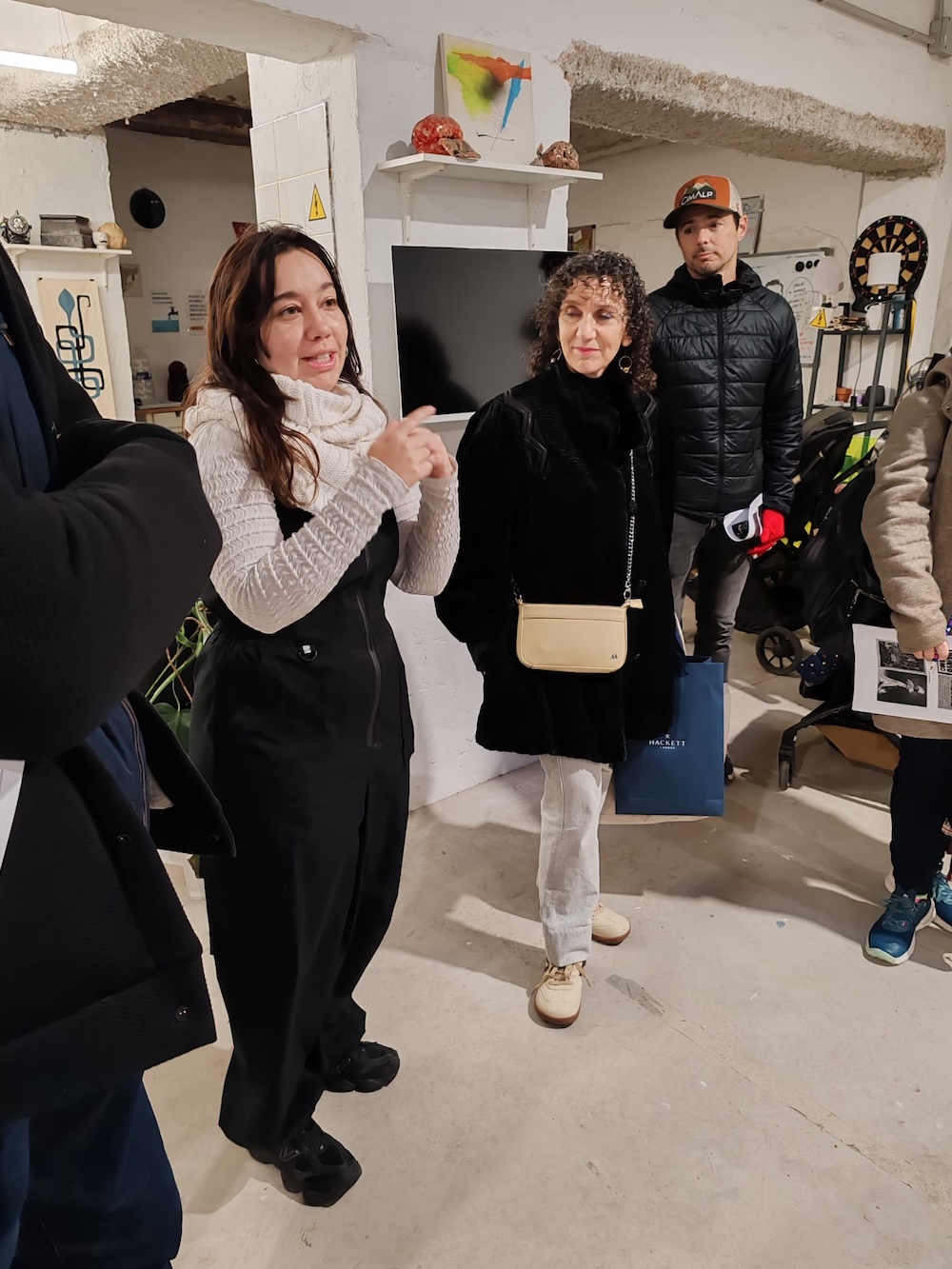
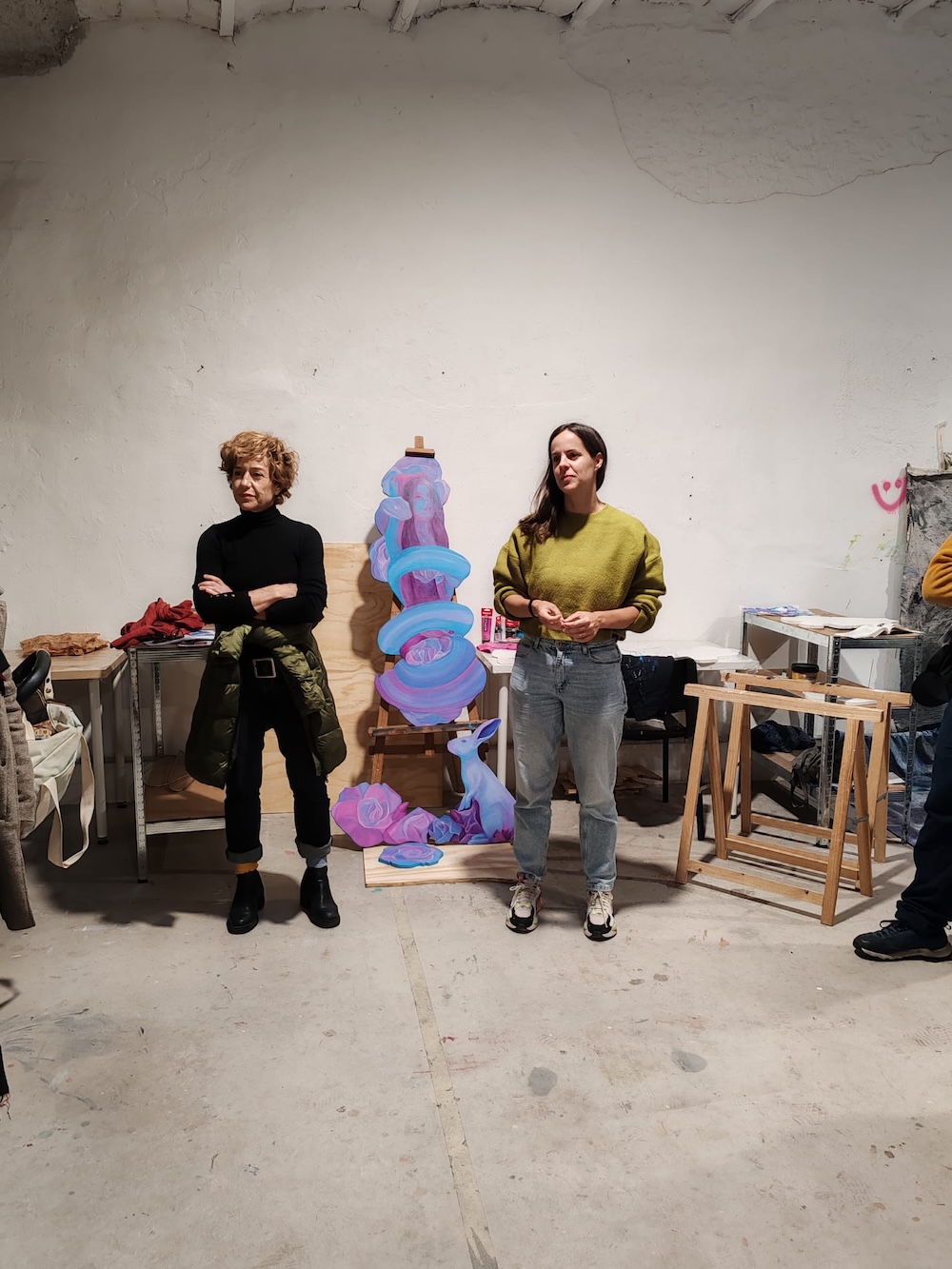
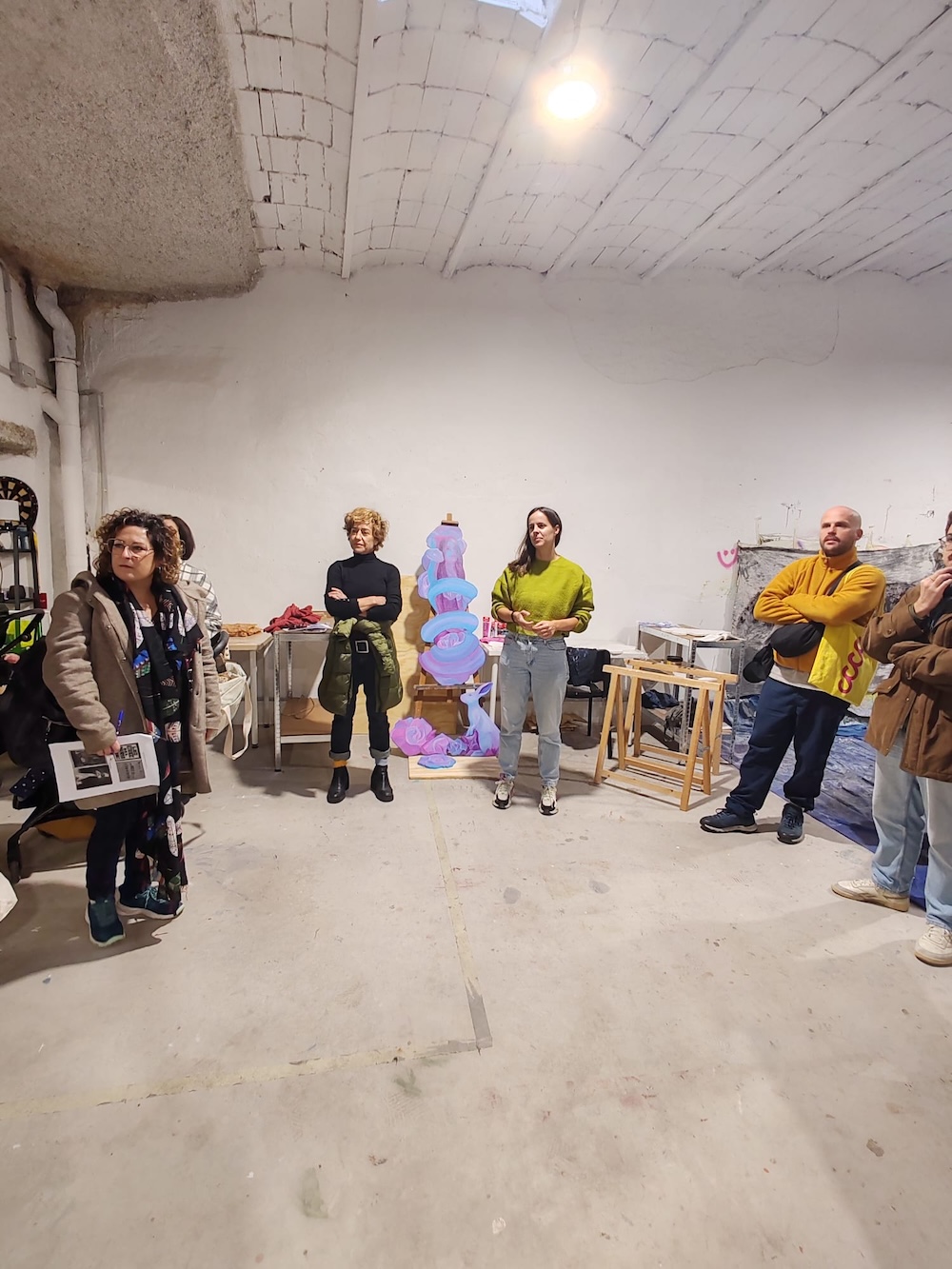
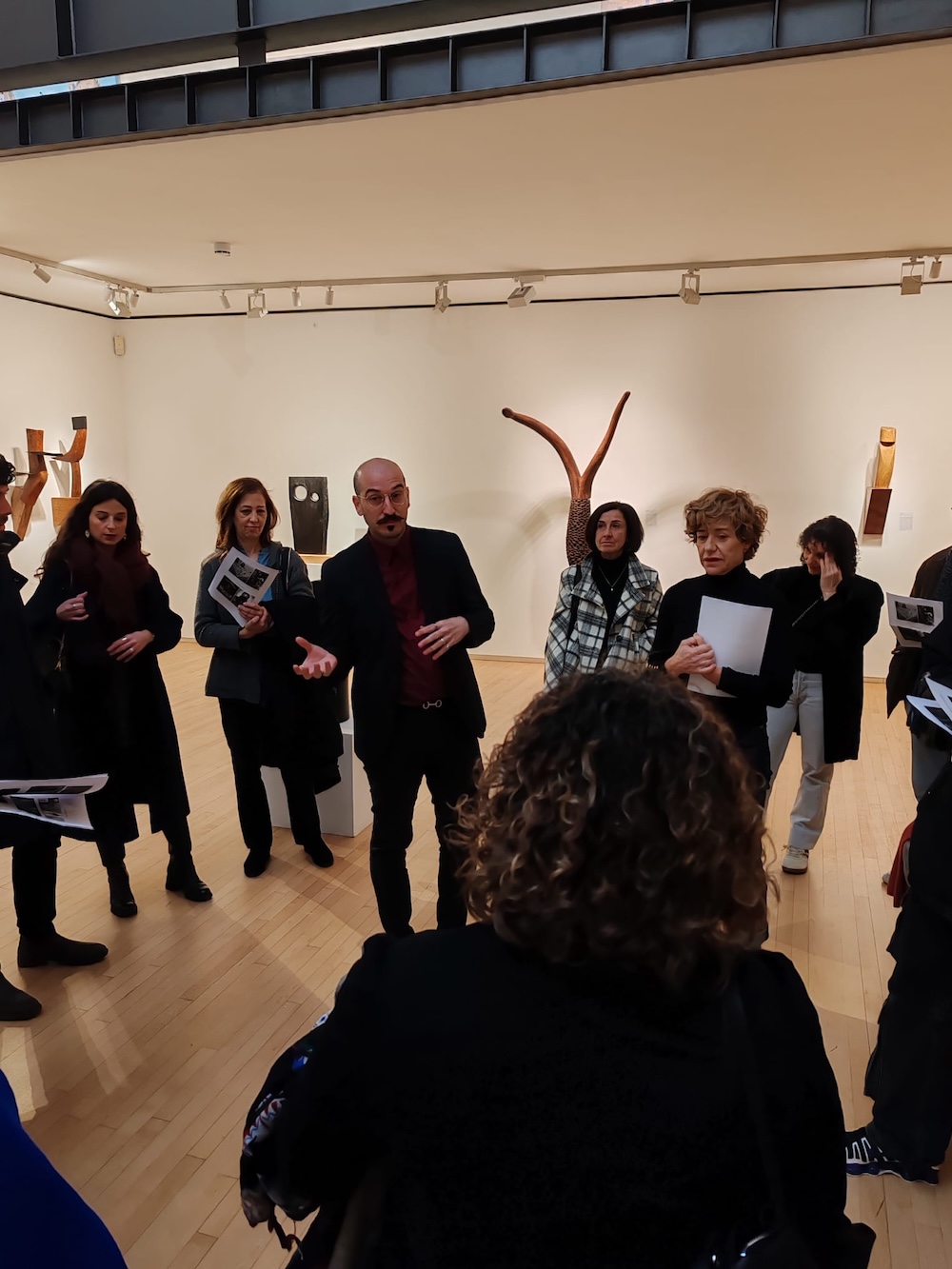
We are welcomed by Laura Casanovas, director of R.A.R.O., who explains the project, and Lorena Ruiz Pellicero, the artist exhibiting in the space. Here comes a surprise: Gloria Ribera and Mery Cuesta are an artistic duo, and I, the dwarf, recreate what Josephine Baker once did here in the 1930s. It is true that she did not sing Ramoncita Rovira’s song La cocaína, but she did do something else: she approached a man and cut his tie, which, as the anarcho-feminist manifesto states, is the phallic symbol par excellence.
We leave R.A.R.O. and head toward the finale in the key of Joan Brossa, our favourite artist. In an alley connecting the two spaces, we stop so I can tell you where the name of this route came to me and the fascination I feel when imagining that the Museo Roca was here. I discovered this fascinating, profoundly sicalyptic museum thanks to Alfons Zarzoso and his lecture “Una història evanescente vs. el retorno del Museu Roca” (An evanescent story vs. Museu Roca’s comeback). In this talk, Zarzoso recounted the wanderings of our beloved lost museum. I recommend reading Enric H. March’s excellent article: “Museu Roca: los estragos del Barrio Chino, en pantalla” [en línia], Museus anatòmics de Barcelona. Barcelona: Bereshit: reconstrucció de Barcelona i altres mons, 2013.
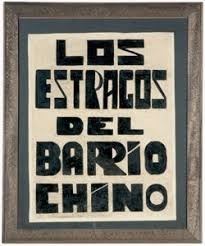
It was the time of phenomena, elixirs, tooth-pullers, perfumes. Perhaps we lack this to be elegant: perfume. A time of wax museums, fortune-tellers, talking tables, occultists, astrologers, and readers of the future.
4_ JOAN BROSSA
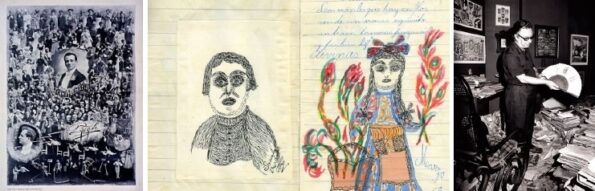
End of the journey: the Joan Brossa Foundation and towards full and perfumed elegance. We recall Leopoldo Fregoli, an Italian quick-change artist, famous for the multiplicity and speed of his transformations. First came Fregoli, then the Fregolígrafo, then Fregolino, then Fregolina, then Joan Brossa, and then Quim Pujol, who introduced me to Brossa’s work with Fregoli (or vice versa). Transformation, transit, portability, trance. We are staying here.
In 1965, Joan Brossa dedicated several poems to Fregoli. He knew that modern art came from there, from the stage, the varieties, the performative acts without fathers to shock, the infinite transformation into countless characters without limits or comparison. There is an artist’s book “Frègoli” (Barcelona: Sala Gaspar, 1969), by Joan Brossa and Antoni Tàpies, with a bibliography about Leopoldo Fregoli and an introductory text on the Italian quick-change artist. It also contains illustrations drawn from printed documents used as sources for some of the artist’s visual poems: “Festa amb Frègoli”, “El diumenge de Frègoli”, and many others.
Fregoli inspired quick-change artists, maquietistas, cancioneros, cupletists, and the whole people of the varieties, both the select and the “sicalyptic”; but he also inspires our final act. It features Josefa Tolrá, a spiritualist woman with whom Brossa held long conversations and who was another source of his inspiration. There is a magnificent book, La mèdium i el poeta: una conversa astral entre Josefa Tolrà i Joan Brossa, which must be read.
For the final act we look to the artist Anto Rodriguez, who studies the cancioneros, the gay men who kept the flame alive during the Franco regime. In his shows he converses with them, and that is what we want to do.
We were missing perfume, weren’t we? I propose a blend of a women’s perfume, “Cocaína en Flor”, and a men’s perfume, “Varón Dandy”. Combine both while I recite my litany. Both were made in Badalona, Parera, in the 1930s. Since we are not modern but ultramodern, I ask you to spray yourselves with both. And I recite the final litany to invoke our past peers:
Fregoli
Fregolino, Eduardo Juncadella
Fregolina, Tina Parri
Maruja Lopetegui
Robert Bertin,
Antonio Alonso,
Loperetti,
Bella Chelito
Fátima Miris
Luisito Carbonell,
Freddy,
Bella Dorita
Manuel Izquierdo,
Edmond de Bries.
Ramper,
Bella Marujilla
Puisinet,
Genaro el Feo
Bella Otero
Bella Tortajana
Dolores Abril
Mirko,
Miss Dolly
Estelle Dixon
Adelina Durán
Angelita Durán
Lolita Durán
Pierrot
Angie von Pritt
Johnson
Tina de Jarque
Derkas
Dora la Gitana
Saint Teresa of Jesus
José de Aguilar
El Titi
Raga y Valls
La Gioconda
La Goya
La Goyita
Pepe Marqués
Violeta la Burra
Modern Venus
Carmen de Lirio
Amalia de Isaura
Carmen Amaya
Hildegard of Bingen
Adelita Lulú
Carmen Flores
Amalia Molina
Julita Fons
Miguel de los Reyes
Pedrito Rico
Luis Lucena
Antonio Amaya
Dorita del Monte
Tomás de Antequera
Lola Montes
Musetta
Nelly Nao
Mora Negri
Ninón
Ninus
Nitta-Jo
…
and the thousands who came before
(to be continued)
GGD
| ↑1 | This is how male artists who dresses as women were known in the sicalyptic era. |
|---|