Search
To search for an exact match, type the word or phrase you want in quotation marks.
A*DESK has been offering since 2002 contents about criticism and contemporary art. A*DESK has become consolidated thanks to all those who have believed in the project, all those who have followed us, debating, participating and collaborating. Many people have collaborated with A*DESK, and continue to do so. Their efforts, knowledge and belief in the project are what make it grow internationally. At A*DESK we have also generated work for over one hundred professionals in culture, from small collaborations with reviews and classes, to more prolonged and intense collaborations.
At A*DESK we believe in the need for free and universal access to culture and knowledge. We want to carry on being independent, remaining open to more ideas and opinions. If you believe in A*DESK, we need your backing to be able to continue. You can now participate in the project by supporting it. You can choose how much you want to contribute to the project.
You can decide how much you want to bring to the project.
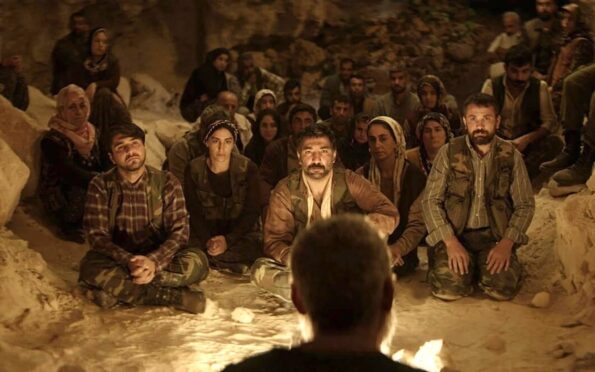
In one of the most poignant moments of the 76th Berlinale, director Emin Alper, receiving the Silver Bear for Kurtuluş (Salvation), used his acceptance speech to dedicate his win – and lend his voice – to the silent sufferings of Palestinians, the Kurdish people, and the Iranian population alike. By doing so, he widened the political narrative of this year’s festival, where jury president Wim Wenders had rather unintentionally summoned a storm during the opening press conference by deflecting a question regarding the German government’s widely unpopular position on the war in Gaza. This set the stage for an, even with Berlinale standards, highly politicized atmosphere.
In another act of defiance and, considering how thin skinned Ankara has become when it comes to any kind of dissent, the filmmaker displayed considerable personal courage, when he ended his speech by remembering the political prisoners in Turkey, such as Çiğdem Mater, Tayfun Kahraman, and Osman Kavala, who have endured years of imprisonment. He also acknowledged the large group of mayors, most notably Istanbul’s Ekrem İmamoğlu, detained since a year, turning his cinematic victory into a powerful human rights statement.
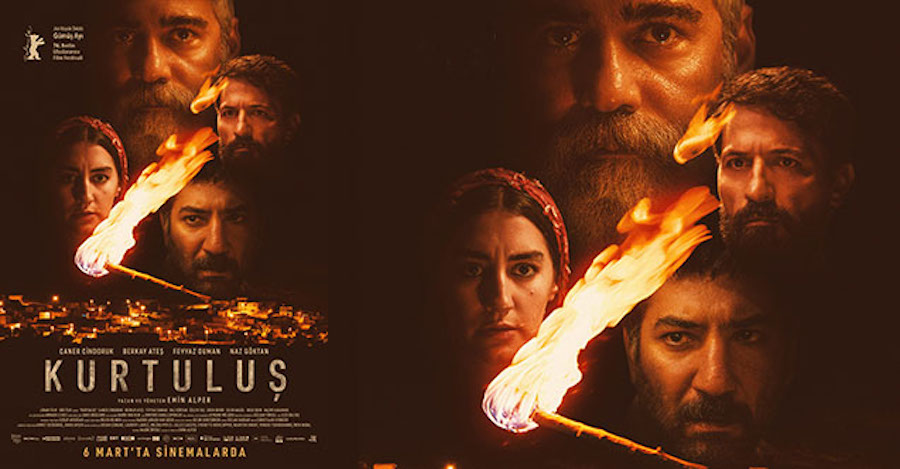
In his film Kurtuluş, Alper brings back the memory of the 2009 Bilge Village Massacre to perform a dissection of the darker elements of the human psyche. The film, shot amidst the vast and stunning landscapes of Anatolia, centers on a land dispute between the Hazeran (a village guard clan) and the Bezariler (a community returning to the home they had been forced to flee). The film manages to turn a local tragedy into a universal anthem that shows how leaders manipulate collective fears to maintain power, creating a “predetermined” tragedy that has repeated itself throughout human history.
The film’s visual grammar amplifies this sense of inevitability. The Anatolian vastness, with its ancient long history of blood spilled, is effectively used as a backdrop to heighten the psychology of sectarian groups, where salvation for one is inextricably linked with the doom of another. The film’s power lies in director’s exploration of dreams as a tool for stirring up fear. Alper demonstrates how personal anxieties are enhanced and weaponized by leaders to drag their communities down dark, irreversible paths. By the time the movie reaches its unavoidable crescendo, the audience realizes that the violence was never about land, but about the human instinct to set one’s own truth above the lives of others.
Thus Kurtuluş emerges, in this sense, into what might be termed an Anatolian noir. Alper has created a film that is as beautiful as it is terrifying—a reminder that in the search for salvation, the greatest enemy is often the one we create in our own shared dreams.
If this 76th Berlinale will be remembered for anything, it may well be for the centrality of Turkish cinema within the European landscape. The rare “Double Bear” victory—İlker Çatak’s Gelbe Briefe (Yellow Letters) taking the Golden Bear, alongside Emin Alper’s Silver Bear for Kurtuluş—suggests not merely a moment of recognition, but a reconfiguration of the festival’s geopolitical and aesthetic coordinates.
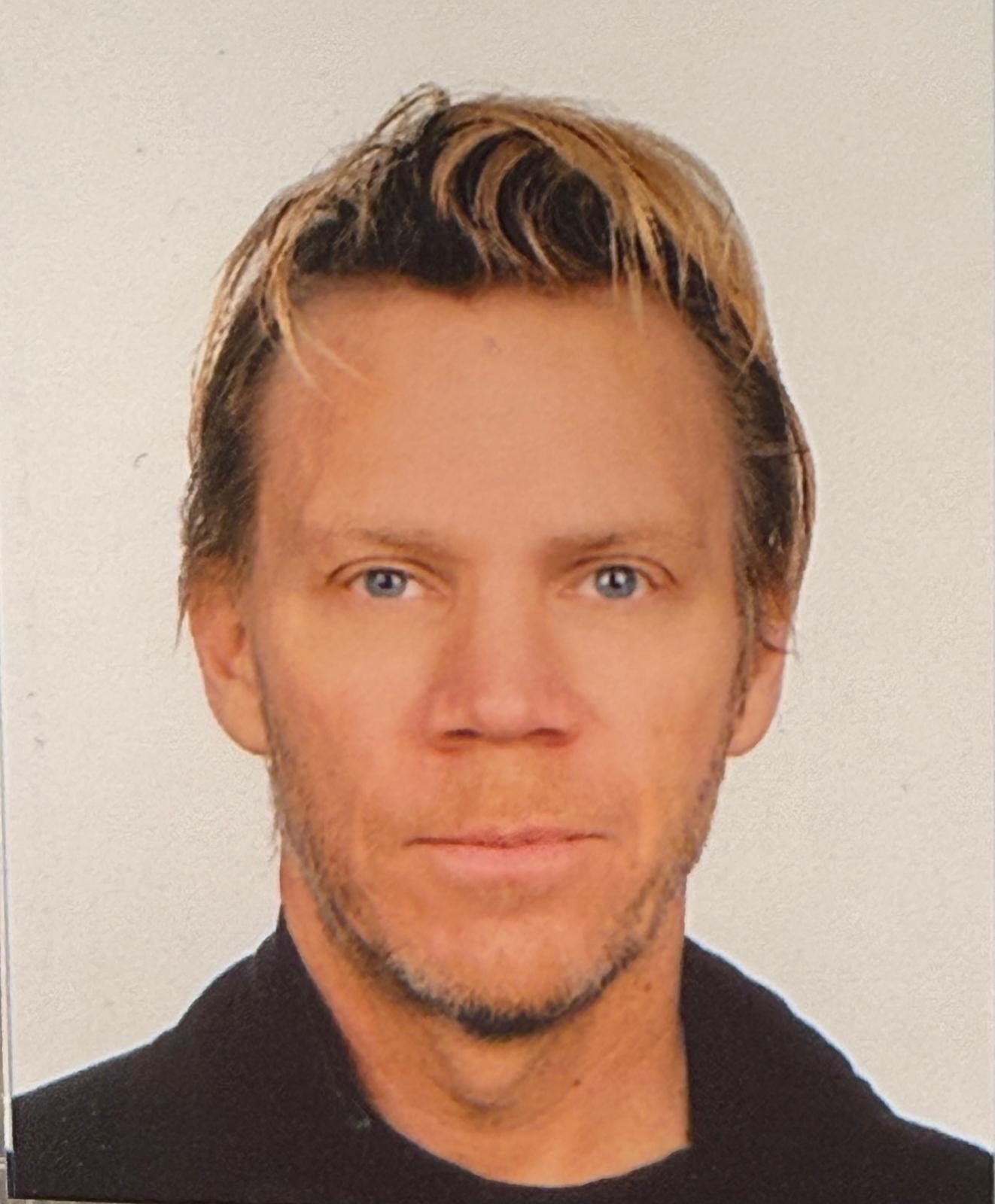
Staffan Folcker is a cultural agent based in Istanbul. His work is articulated around cinema as a tool for reading the city, in dialogue with its layered histories and contemporary scene. In this context, local screenings and everyday rhythms merge into a single narrative —one shaped by place, memory, and collective viewing.
Media Partners:





"A desk is a dangerous place from which to watch the world" (John Le Carré)