Search
To search for an exact match, type the word or phrase you want in quotation marks.
A*DESK has been offering since 2002 contents about criticism and contemporary art. A*DESK has become consolidated thanks to all those who have believed in the project, all those who have followed us, debating, participating and collaborating. Many people have collaborated with A*DESK, and continue to do so. Their efforts, knowledge and belief in the project are what make it grow internationally. At A*DESK we have also generated work for over one hundred professionals in culture, from small collaborations with reviews and classes, to more prolonged and intense collaborations.
At A*DESK we believe in the need for free and universal access to culture and knowledge. We want to carry on being independent, remaining open to more ideas and opinions. If you believe in A*DESK, we need your backing to be able to continue. You can now participate in the project by supporting it. You can choose how much you want to contribute to the project.
You can decide how much you want to bring to the project.
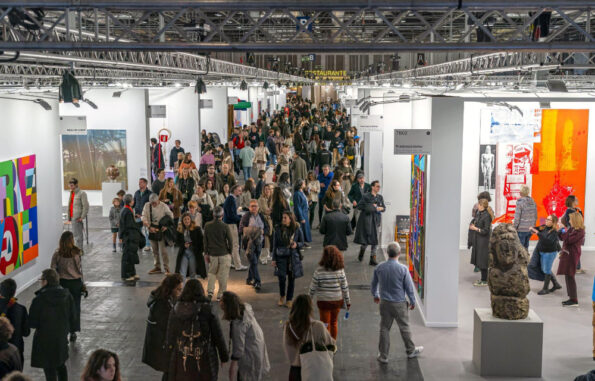
The sustainability of the contemporary art ecosystem can hardly be sustained today solely through public funding or the dedication of its agents. Thinking about viable models implies recognizing that collaboration between private initiatives and cultural projects is not a concession, but a structural necessity. The question is no longer whether they should be linked, but how to do so without diluting the critical and constructive nature of art or reducing it to corporate ornamentation or a temporary resource.
When a company or brand decides to invest in art as a space for encounter and not just as a surface for visibility, fertile ground opens up. Art Branding, understood as the strategic and win-win relationship between art and brands, transcends traditional sponsorship and becomes a platform for cultural dialogue and innovation with social impact. The brand not only finances, but also gets involved, shares values, and assumes the risk of linking its identity to creative processes that, by their very nature, question and expand narratives.
The exchange is real: creative industries contribute symbolic capital, legitimacy, and the ability to generate conversation, while businesses contribute resources, structure, and reach. It’s important to remember that the advertising industry moves hundreds of billions of dollars annually, while the art market represents a fraction of that figure. This asymmetry exists, and precisely for this reason, the challenge lies in building alliances where financial support doesn’t compromise conceptual freedom or the autonomous management of projects.
A prime example is the current environment of Madrid Art Week, which is expected to generate an economic impact of over 500 million euros, within a system that will include more than fifty sponsoring and collaborating brands.
This is no coincidence; consumers increasingly value authenticity and purpose. Therefore, brands that connect with art from a genuine conviction strengthen their own narrative. But more importantly, they contribute to the cultural and social fabric, supporting platforms that would otherwise struggle to survive, as is the case with some art fairs and other artistic platforms and projects.
The key lies in balance; it’s not about instrumentalizing art, but neither is it about being naive in the face of the business interests that are, of course, present. Viability lies in clear, transparent, and strategic collaborations that can become one of the pillars of sustainability.
[Featured Image: IFEMA, ARCO Madrid]
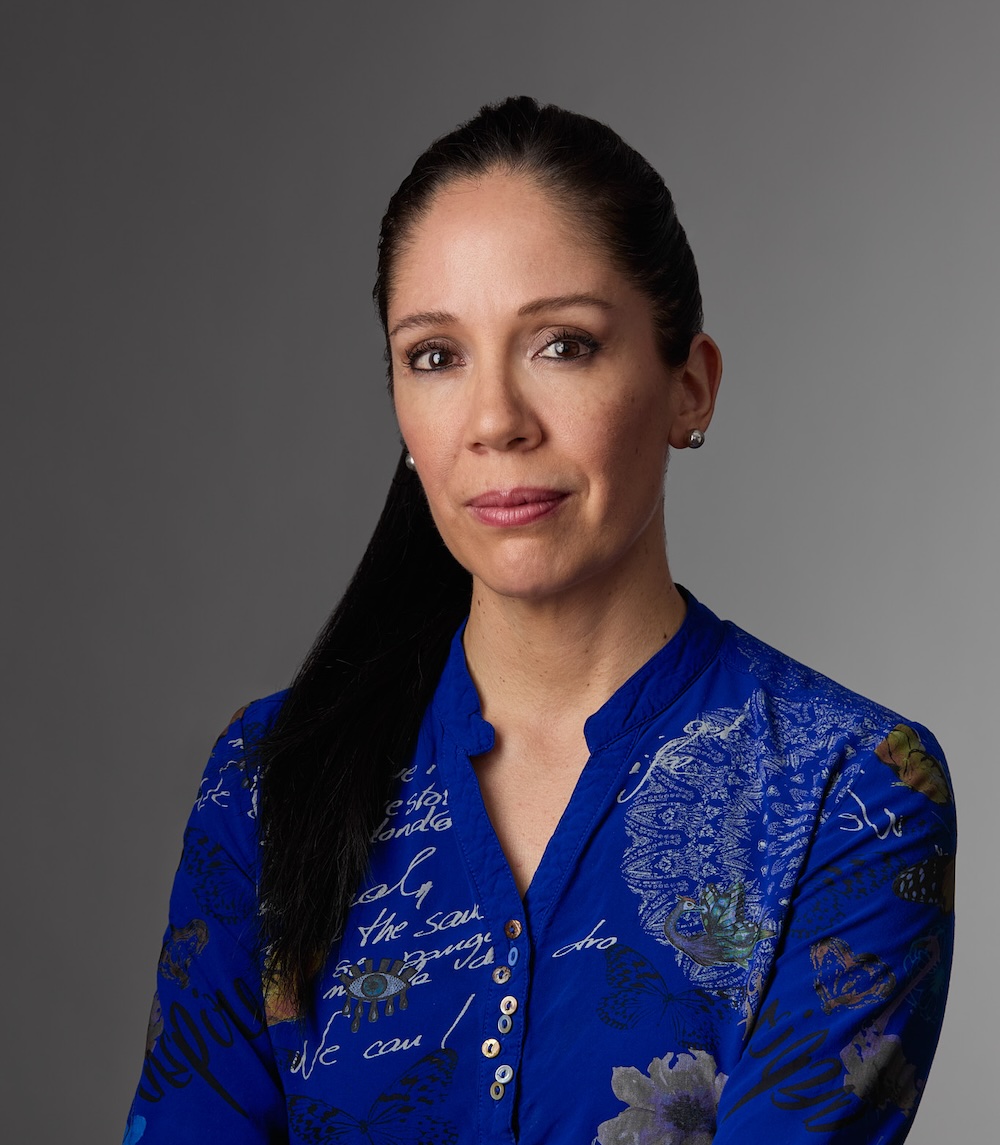
Cecilia Bernal y Sánchez is the Founder and CEO of Mercarte, the first Art Branding and Cultural Management agency founded in Mexico in 2015 and operating in Spain since 2022, which connects brands with the art world. She graduated with honors from the Monterrey Institute of Technology and Higher Education (ITESM) in Mexico City and holds a master’s degree in Contemporary Art from the University of Barcelona, as well as various training programs in art history and the art market.
Media Partners:




"A desk is a dangerous place from which to watch the world" (John Le Carré)