Search
To search for an exact match, type the word or phrase you want in quotation marks.
A*DESK has been offering since 2002 contents about criticism and contemporary art. A*DESK has become consolidated thanks to all those who have believed in the project, all those who have followed us, debating, participating and collaborating. Many people have collaborated with A*DESK, and continue to do so. Their efforts, knowledge and belief in the project are what make it grow internationally. At A*DESK we have also generated work for over one hundred professionals in culture, from small collaborations with reviews and classes, to more prolonged and intense collaborations.
At A*DESK we believe in the need for free and universal access to culture and knowledge. We want to carry on being independent, remaining open to more ideas and opinions. If you believe in A*DESK, we need your backing to be able to continue. You can now participate in the project by supporting it. You can choose how much you want to contribute to the project.
You can decide how much you want to bring to the project.
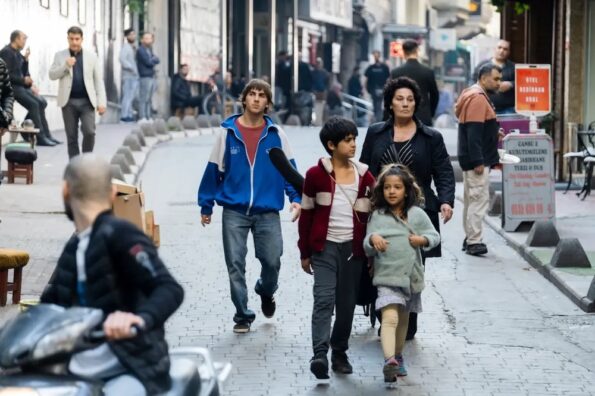
There is a specific kind of alchemy that happens when a filmmaker views a city not as a tourist, but as a ghost searching for a home. In Crossing, Levan Akin —the Swedish-Georgian director who previously captured the electric tension of Tbilisi’s dance halls— turns his lens toward the sprawling, chaotic heart of Istanbul. The result is a film that breathes with the city, capturing the precise moment where the romanticism of the Bosphorus meets the bruising concrete of Beyoğlu.
A Journey of Dislocation
The narrative engine is deceptively simple: Lia, a retired teacher, travels from Georgia to find her niece, Tekla, a trans woman who fled their village years ago. She is accompanied by Achi, a young man whose desperation to escape his own stagnant reality is so palpable it’s almost frantic. Istanbul is introduced to them (and us) as a mythic promise —a place where the past can be erased and the self can be reinvented. But Levan Akin is too honest as filmmaker to stay in the realm of myth. As the pair descends into the labyrinth of the city, the “city of dreams” is swiftly replaced by the “city of survival.”
The Soul of Beyoğlu
The film’s true triumph lies in its depiction of the human fabric of Beyoğlu. Here, the district is not a nightlife destination, but a sanctuary for the “others.”
The Urban Labyrinth: Akin captures the sensory overload of the backstreets—the steam from tea glasses, the neon flicker of cheap hotels, and the constant, rhythmic hum of a metropolis that never sleeps. It is a place where you can be lost and found in the same breath.
Through the character of Evrim, a lawyer fighting for the rights of the marginalized, the film offers a rare, dignified look at the trans experience in Turkey. The “harsh reality” is there —the police checks, the systemic exclusion— but it is balanced by a fierce, protective tenderness. The scenes of communal living and shared meals in cramped apartments provide the film’s most profound emotional weight.
As Lia and Achi’s search stretches on, the vastness of Istanbul begins to feel less like a playground and more like an abyss. The film masterfully explores the tragedy of the “disappeared” —those who come to the city to find freedom, only to realize that freedom often comes at the cost of total invisibility.
The beauty of Crossing is that it doesn’t offer any resolution. Instead, it offers a kind of metamorphosis. Lia’s journey isn’t just about finding a person; it’s about the dismantling of her own rigid prejudices. She learns that the “harsh reality” isn’t the city itself, but the walls we build between ourselves and those we should have loved better.
Levan Akin’s Crossing is a rare piece of cinema that manages to be both a gritty social realist drama and a shimmering, poetic eulogy for lost connections. It is a reminder that cities are not made of stone and mortar, but of the dreams we chase and the strangers we allow to become kin.
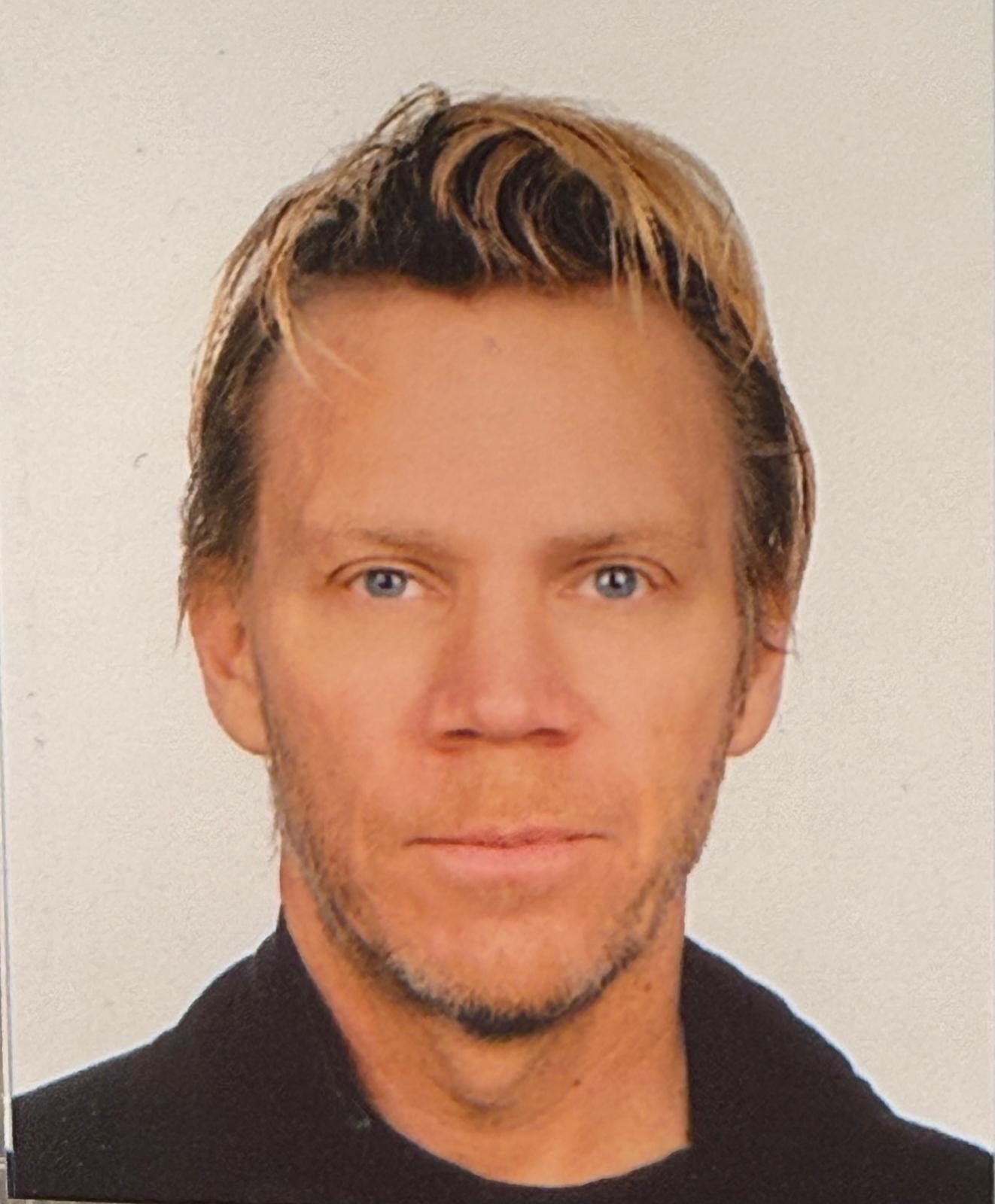
Staffan Folcker is a cultural agent based in Istanbul. His work is articulated around cinema as a tool for reading the city, in dialogue with its layered histories and contemporary scene. In this context, local screenings and everyday rhythms merge into a single narrative —one shaped by place, memory, and collective viewing.
Media Partners:






"A desk is a dangerous place from which to watch the world" (John Le Carré)