Search
To search for an exact match, type the word or phrase you want in quotation marks.
A*DESK has been offering since 2002 contents about criticism and contemporary art. A*DESK has become consolidated thanks to all those who have believed in the project, all those who have followed us, debating, participating and collaborating. Many people have collaborated with A*DESK, and continue to do so. Their efforts, knowledge and belief in the project are what make it grow internationally. At A*DESK we have also generated work for over one hundred professionals in culture, from small collaborations with reviews and classes, to more prolonged and intense collaborations.
At A*DESK we believe in the need for free and universal access to culture and knowledge. We want to carry on being independent, remaining open to more ideas and opinions. If you believe in A*DESK, we need your backing to be able to continue. You can now participate in the project by supporting it. You can choose how much you want to contribute to the project.
You can decide how much you want to bring to the project.
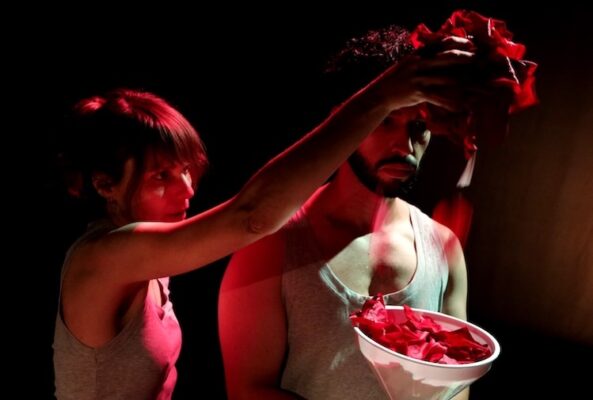
“I wish my scars didn’t always have to be a warning.”
This phrase, both as a statement and a form of resistance, comes from El hambre imposible (The Impossible Hunger) by the Teatro de los Invisibles theater company. Scars inevitably mark our lives and, at times, become involuntary tattoos. Some scars fade with time while others remain as part of the identity of the person who has them.
From the Latin word stigma, “a mark made on the skin with a hot iron” or “an infamous note,” and from the Greek στίγμα, the term refers to the idea of a bodily or symbolic mark that identifies a person. In El hambre imposible, recently presented at l’Altre International Festival of Performing Arts and Mental Health in Barcelona, the different meanings of the word are a guiding thread of the piece.
On stage, biographical narratives interwoven with cancer, HIV, suicide attempts, and rare diseases converge, transforming personal experience into collective theatrical material. The combination of auto-fiction and performance shifts the piece into an unstable framework in which the live soundscape not only accompanies the scene but also propels or even interrupts it.
There are moments when the work takes on the appearance of a living art gallery. Scenes inspired by The Death of Marat, Danaë, The Martyrdom of Saint Sebastian, The Coronation of the Virgin, and Saint Agatha reactivate an iconography permeated by pain, vulnerability, and the exposure of the body.
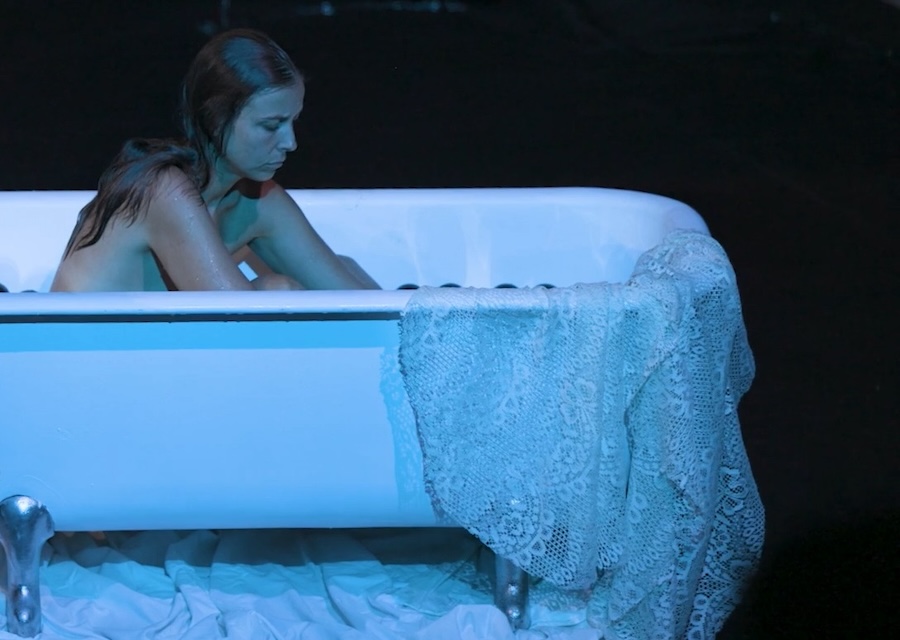
The most representative image of the work is The Extraction of the Stone of Madness by Hieronymus Bosch. The supposed need to extract what is considered “anomalous” from a person in order to correct them and return them to an acceptable “normality” is here reinterpreted.
“It’s an impossible hunger to want to be normal. From the moment we’re born, we want to fit in, but that hunger is impossible to satisfy because normality is never truly achieved,” says Zaida Alonso, director, playwright, and performer of the play, which represents her experience with cancer.
Alonso believes that although cancer has been normalized, especially since more and more people are suffering from it, the way people live with that cancer is imposed upon them. “Everyone has tips, a magic formula, with phrases like ‘fight, be strong.’ Just living and surviving, however, is enough,” Alonso explains.
The play doesn’t dwell on the symbolic aspect of the stigma but instead moves it into the realm of human rights. “Society forces you to be profitable, to be productive, to consume… When someone steps off that treadmill, they are questioned.” In the case of those who have cancer, this translates into real barriers, such as difficulties in getting a mortgage, dealing with financial institutions, and in the job market, all within a legal framework that establishes a five-year period for the so-called right to be forgotten in cancer cases.
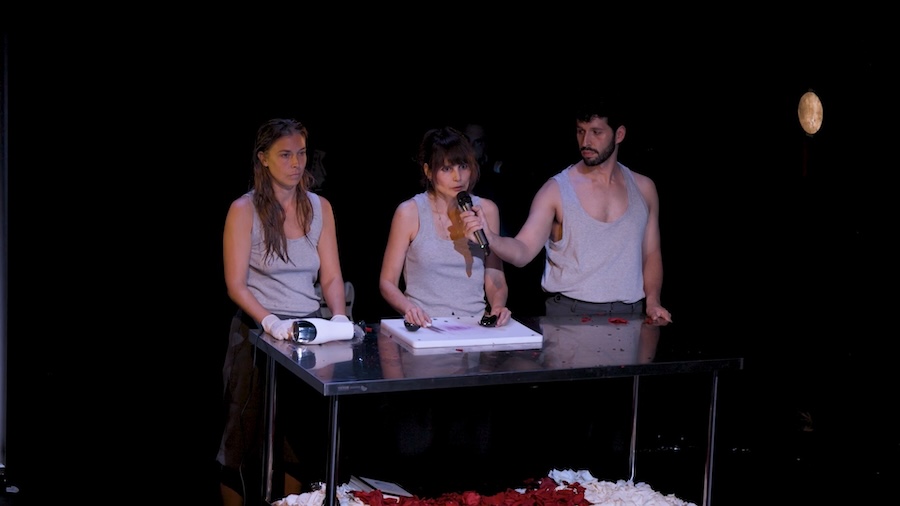
Stigma doesn’t just regulate human rights or material possibilities, it also regulates narratives, that is, what can be told, how it’s told, from where and with what legitimacy. In El hambre imposible, personal experiences cease to belong solely to those who lived them and become a collective reflection.
This work involves a negotiation of the limits of exposure, not only what is told but also to what extent it is decided that what is told is legible. It is not a thematic but rather an ethical question, that is, how much each person chooses to expose. In the first performances in 2024, the material was deliberately more cryptic. For example, Fernando did not explicitly reveal his HIV diagnosis. This omission was not a lack but a deliberate choice of ambiguity. There were viewers who left the theater without being able to identify exactly what had structured part of the narrative.
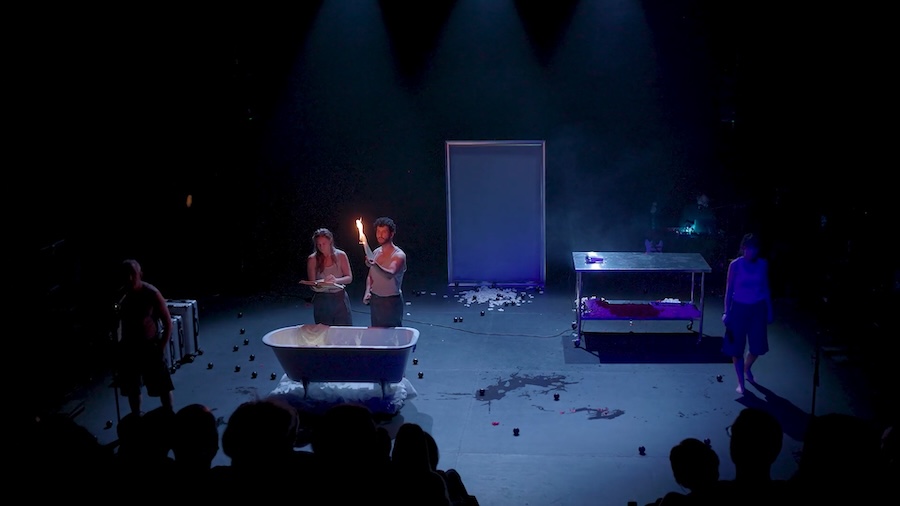
“Stigma is combated by making things visible. We bring to the stage realities that are usually so uncomfortable that no one talks about them. It’s very difficult to ‘come out’ about certain things, to have the courage to say ‘this is happening to me’ and ask not to be judged,” says Alonso.
Faced with a culture of fast and fleeting consumption, Alonso champions art as a tool for social transformation and calls for building a more inclusive society, where difference doesn’t imply added suffering. In his view, when a work is perceived as fiction, its reception becomes more comfortable, as if the aesthetic distance allows one to bear what, otherwise, would be difficult to look at. “It’s not a commercial or easy work but it’s what we felt compelled to tell,” Alonso states.
El hambre imposible leaves us with a question that doesn’t always find an answer, namely, what happens when the scar ceases to be a mark of suffering and becomes the way the world chooses to see us?
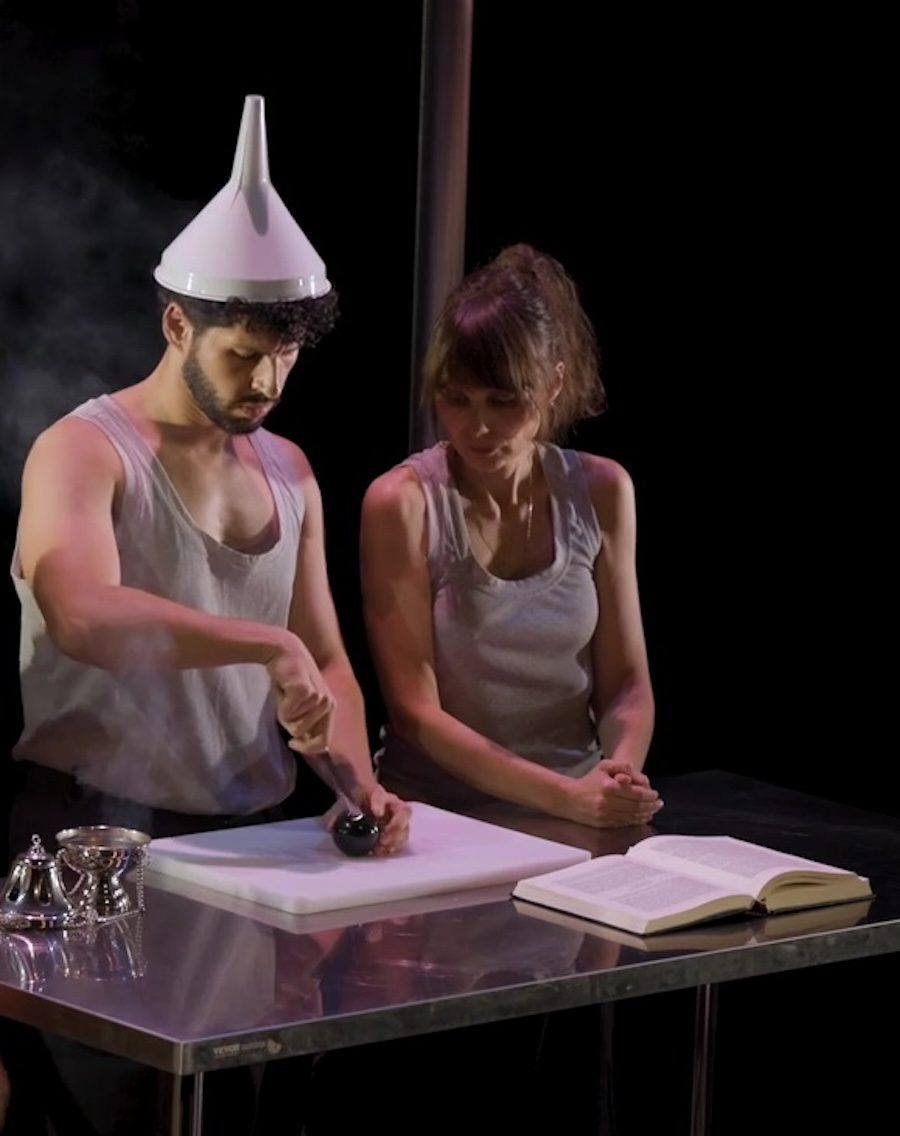
(All images: scenes from El hambre imposible (The Impossible Hunger) by Teatro de los Invisibles recently presented at L’Altre Festival Internacional de Artes Escénicas y Salud Mental de Barcelona. Photos © Jessica Burgos).
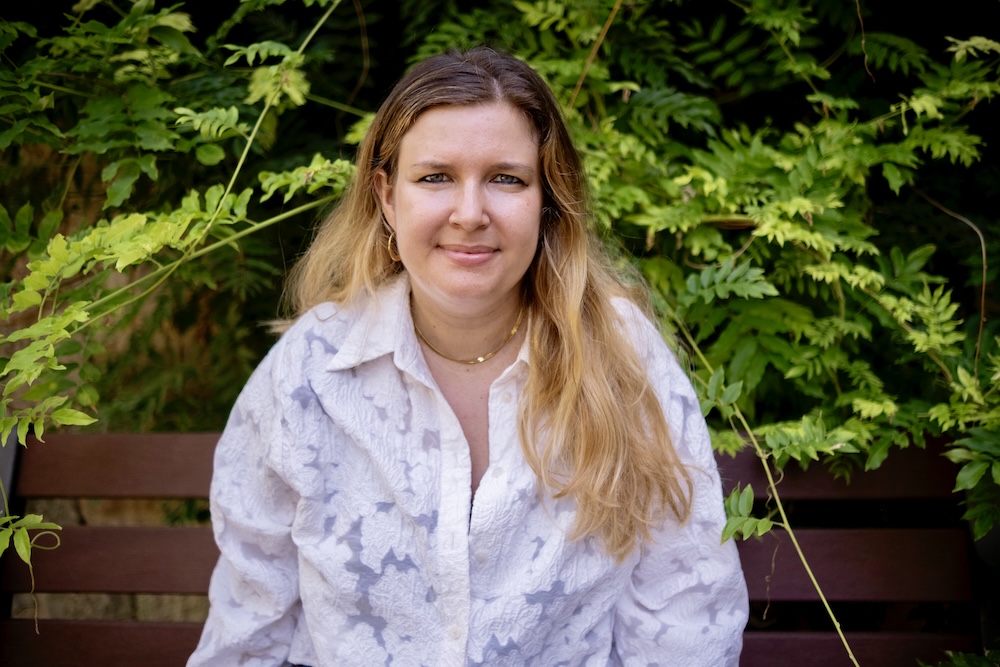
Laura Andrés Tallardà is a journalist and English philologist. She has been published in outlets such as La Vanguardia, Jot Down Kids, El Quinze de Público, and Televisió de Catalunya. As a child, she began writing stories on her father’s Olivetti typewriter, and she continues to travel the world with a notebook in hand. She is interested in literature, education, mental health, and human rights.
Media Partners:






"A desk is a dangerous place from which to watch the world" (John Le Carré)